



It started with a seemingly ordinary grocery trip. I brought home a carton of brown organic eggs, just as I’d always done—except this time, the news would flip my breakfast routine upside down. As reports spread of a salmonella outbreak tied to recalled eggs, uncertainty and concern scrambled my plans. If you’ve ever worried about what’s in your fridge, you’re not alone. Let’s break down what really happened in this 2025 egg recall—and what it means for your family
Cracking the Case: The Salmonella Investigation
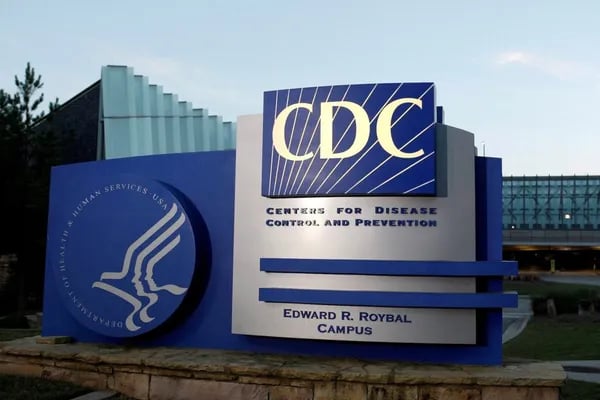
If you’ve ever wondered how a simple breakfast staple can become the center of a national health scare, the 2025 Salmonella Investigation offers a revealing look. This Salmonella Outbreak, traced back to eggs distributed by the August Egg Company, has sickened at least 79 people across seven states, with 21 requiring hospitalization. The FDA Investigation and CDC Warning have put the spotlight on how foodborne illnesses are tracked—and why it’s rarely as straightforward as it seems.
Connecting the Dots: From Stomach Aches to Recall Notices
The first clues emerged in early June 2025, when clusters of stomach aches and severe gastrointestinal symptoms started popping up in emergency rooms from Arizona to Illinois. As reports mounted, the CDC and FDA launched a joint Salmonella Investigation. Their first task: find the common thread. Through patient interviews and food history reviews, investigators noticed a pattern—many of those sickened had recently purchased brown organic or cage-free eggs.
Behind the Scenes: Tracing the Supply Chain
Tracking a Salmonella Outbreak isn’t just about asking what people ate. Investigators dug into grocery receipts, supplier invoices, and—crucially—egg carton plant codes. If you’ve ever noticed those mysterious numbers stamped on your egg carton (like P-6562 or CA5330), they’re more than just regulatory red tape. In this case, they were the key. By cross-referencing plant codes with distribution records, the FDA and CDC pinpointed August Egg Company as the common supplier. The recall soon followed, covering about 1.7 million eggs shipped between February and May.
Why Foodborne Outbreaks Are So Hard to Trace
Food safety experts say tracing outbreaks is rarely simple. Symptoms of salmonella—diarrhea, fever, dehydration—can take days to appear, and not everyone remembers what they ate last week. Add in the complexity of modern supply chains, and it’s easy to see why these investigations can stretch on for weeks. As Dr. Janet Woodcock of the FDA put it:
It's not just about stopping the outbreak—it's about learning how to prevent the next one.
Personal Detour: The Plant Code Rabbit Hole
On a whim, I checked my own fridge for recalled eggs. A quick Google search of the plant code on my carton led straight to the FDA’s recall list—a small but sobering reminder of how close these outbreaks can hit home. If you’re curious, the FDA and CDC websites have up-to-date lists of affected brands and codes.
For now, the CDC Warning remains clear: check your eggs, heed the recall, and when in doubt, throw them out. It’s a lesson in vigilance—and a reminder that even breakfast can bite back.
Egg Recall Details: What’s Off the Table?
If you’ve cracked open a carton of eggs recently, you might want to take a closer look. The August Egg Company has issued a sweeping egg recall, pulling approximately 1.7 million eggs off shelves across nine states due to potential salmonella contamination. This Egg Recall is making headlines for its scale and the number of states affected, and it’s leaving many consumers wondering: what’s safe for breakfast?
The Egg Recall Details are clear: the recall covers brown organic and brown cage-free eggs, distributed between February and May 2025. These eggs were shipped to grocery stores and supermarkets in Arizona, California, Illinois, Indiana, Nebraska, New Mexico, Nevada, Washington, and Wyoming. If you live in any of these states affected, your fridge could be part of the story.
So, how do you know if your eggs are among the Egg Recall Brands? Start by checking your carton for specific plant code numbers. The FDA and CDC have listed two key codes to watch for: P-6562 and CA5330. These numbers are usually stamped near the expiration date or on the side of the carton. If you spot either code, it’s time to act.
But what if you’re not sure about the brand or the code? Maybe there’s a rogue carton hiding in the back of your fridge, or the label is smudged. The CDC recommends erring on the side of caution. “Always check your egg cartons—sometimes, recalls fly under the radar.” That’s advice from food safety advocate Lauren Hurst, and it’s especially relevant now.
The recall isn’t limited to one label. Multiple Egg Recall Brands could be involved, as eggs from the August Egg Company are often repackaged under different store brands. To get the full list of affected brands, plant codes, and Julian dates, visit the FDA or CDC websites. Research shows that most people recover from salmonella within a week, but the illness can be severe in young children, older adults, or those with weakened immune systems.
If you find any eggs matching the recall details, the CDC urges you to throw them away or return them to the store for a refund. And don’t forget to clean any surfaces the eggs may have touched. This Egg Recall is a reminder that food safety starts at home—and sometimes, breakfast really does bite back.
What Salmonella Does to You: More Than a Stomachache
When you hear about a Salmonella outbreak, it’s easy to brush it off as just another food safety headline. But the reality behind the recent 2025 egg recall is far more serious than a simple case of an upset stomach. If you’ve ever wondered what Salmonella symptoms really look like—or how quickly a “bad breakfast” can turn into a week-long ordeal—here’s what you need to know.
Quick Guide: Salmonella Symptoms You Should Never Brush Off
Salmonella infection isn’t just about mild discomfort. The most common symptoms include:
- Diarrhea (often severe and persistent)
- Fever
- Vomiting
- Dehydration
- Stomach cramps
According to the CDC, these symptoms typically appear six hours to six days after exposure and can last anywhere from four to seven days. Most healthy adults recover at home with rest and fluids, but the experience can be exhausting and, at times, alarming.
Real People, Real Consequences: 21 Hospitalizations Highlight the Risks
This latest Salmonella outbreak linked to the August Egg Company’s recall has already sickened at least 79 people across seven states, with 21 requiring hospitalization. That’s not a minor statistic. It’s a reminder that foodborne illness can hit hard, especially for those who are most vulnerable.
Federal health officials stress that young children, seniors, and people with weakened immune systems are at the greatest risk for complications. For these groups, what starts as a stomachache can quickly escalate into something much more dangerous, sometimes requiring IV fluids or even antibiotics as part of Salmonella treatment.
Why Symptoms Hit Harder for Some
Research shows that children under five and adults over 65 are more likely to experience severe symptoms and complications. The immune system’s ability to fight off infection plays a big role here, and for some, the road to recovery is far from straightforward.
Anecdote: When “Just a Bug” Isn’t Just a Bug
Take my neighbor, for example. She thought she’d caught a simple stomach bug after breakfast—nothing a day off work couldn’t fix. But as the days dragged on, her fever spiked, and dehydration set in. By day five, she was in the ER. Her story is a stark reminder: if your symptoms linger or worsen, don’t wait it out. As Dr. Anthony Fauci puts it,
“Foodborne illness isn’t always mild—when in doubt, consult your doctor.”
Staying alert to Salmonella symptoms and acting quickly can make all the difference, especially during an active Salmonella outbreak.
Egg Safety Measures: From Carton to Kitchen
In the wake of the 2025 salmonella outbreak and the sweeping egg recall, you might be wondering what practical Egg Safety Measures you can take to keep your kitchen—and your family—safe. The CDC Warning is clear: vigilance starts before you even crack an egg.
Check Plant Codes and Julian Dates—Here’s Why
Before you reach for that carton, take a closer look. The FDA Investigation into the August Egg Company recall highlights the importance of checking plant codes and Julian dates. These numbers—often printed near the expiration date—are your first line of defense. If you spot plant code P-6562 or CA5330, or if your eggs match the recall list on the FDA or CDC websites, don’t take any chances. Toss them or return them for a refund. This Food Safety Tip isn’t just about avoiding illness; it’s about stopping the spread of salmonella before it starts.
Sanitizing Surfaces: Don’t Skip This Step
If recalled eggs have touched your fridge, countertops, or utensils, it’s time for a deep clean. The CDC advises washing and disinfecting any surfaces or kitchen tools that came in contact with the eggs. Use hot, soapy water followed by a disinfectant. And don’t forget your hands—good handwashing is a cornerstone of Food Safety Measures, especially after handling suspect cartons.
Should You Rinse Eggs? Not So Fast
It might seem like rinsing eggs is a smart move, but experts warn it can actually do more harm than good. Washing eggs can spread bacteria to your sink and surrounding surfaces, increasing the risk of cross-contamination. Instead, focus on proper storage—keep eggs refrigerated and in their original carton, away from strong-smelling foods.
CDC’s Top Recall Advice: Act Fast, Stay Informed
The CDC Warning is straightforward: if you have recalled eggs, dispose of them immediately or return them to the store. Check your refrigerator regularly and stay updated by referencing the FDA and CDC recall lists. These Food Safety Tips can make all the difference, especially for vulnerable groups like children, older adults, and those with weakened immune systems.
Imagine a ‘Recall Alert’ Light in Every Fridge
Would a built-in recall alert make you safer? Maybe. But for now, it’s up to you to stay alert. As food safety specialist Dr. Jennifer McEntire puts it:
“A little vigilance in the kitchen goes a long way towards keeping your family safe.”
Stay informed, stay safe, and remember—when it comes to Egg Safety Measures, a few extra minutes of caution can prevent a world of trouble.
What Happens After a Recall: Food Safety Lessons for Everyday Life
When news of an egg recall breaks, it’s easy to think of it as just another headline. But as the 2025 salmonella outbreak tied to the August Egg Company shows, the impact runs much deeper. With 1.7 million eggs pulled from shelves across nine states and at least 79 people sickened, the ripple effects touch everyone—from the companies producing your breakfast staples to the regulators overseeing food safety, and, most importantly, to you as a consumer.
The FDA and CDC investigation into this egg recall is more than a routine response. It’s a critical moment that exposes weaknesses in the food supply chain. When federal agencies trace the source of an outbreak—like identifying August Egg Company as the common supplier—it sets off a chain reaction. Companies are forced to review their safety protocols, regulators may update inspection standards, and shoppers become more vigilant about what lands in their grocery carts.
History shows that every major recall leaves a mark. Past salmonella outbreaks linked to products like onions and peanut butter have led to sweeping reforms in how food is processed, packaged, and tracked. The egg industry itself has seen new policies emerge after previous scares, from stricter sanitation requirements to better traceability. Each incident is a lesson, and the industry adapts, sometimes slowly, but always with public health in mind.
But what about the everyday shopper? This is where food safety tips become more than just advice—they become habits. The CDC’s guidance is clear: if you have recalled eggs, throw them out or return them. Disinfect any surfaces they touched. Watch for symptoms of salmonella—fever, diarrhea, stomach cramps—and seek medical care if needed. These steps, simple as they sound, can make a real difference.
Imagine if grocery stores took it a step further. What if, after every major recall, they hosted “food safety pop-ups” to educate shoppers? It’s a creative idea, but one that could turn a moment of crisis into an opportunity for learning. After all, as food safety lawyer Bill Marler puts it,
“Every recall is a wake-up call for the whole food system.”
In the end, a single bad batch of eggs can change breakfast habits for everyone. Recalls remind us that food safety is always evolving, shaped by the lessons of the past and the vigilance of today. The next time you reach for a carton of eggs, you’ll know: the story doesn’t end with a recall—it’s where smarter, safer choices begin.
