


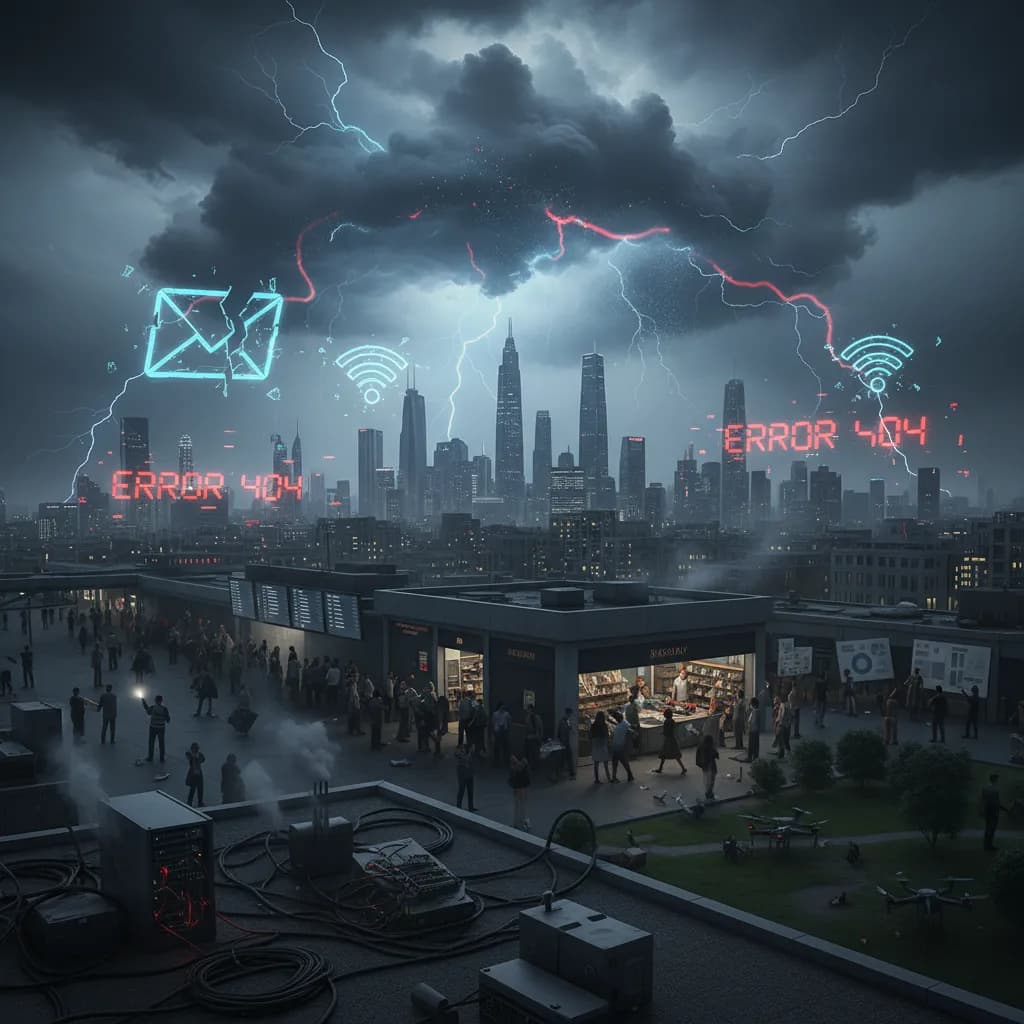
I never thought I'd be standing in my kitchen, waving my hands at a lifeless Alexa, just to turn the lights on like some kind of confused wizard. But then, the digital rug was pulled out—Snapchat, Amazon, Robinhood, even the fridge reminded me of its dependence. If you think this sounds like a tech horror story, buckle up: you’re about to see just how thin the thread is holding together our seamless, smart, and sometimes terrifying digital world.
Lights Out: When the Cloud Takes a Sick Day
Imagine waking up at 3 a.m. and realizing your smart lights, fridge, and security system are all offline. You reach for your phone to check Snapchat, only to find it’s not working. You try to check your crypto on Coinbase or Robinhood, but both platforms have locked you out. Even your safety app, Life360 , is down. This isn’t a bad dream—it’s the reality millions faced during the October 2025 AWS outage. The AWS Outage Impact was immediate and widespread, showing just how much our daily routines depend on a handful of cloud providers.
During this Digital Platform Failure , it wasn’t just social media that went dark. Critical services ground to a halt:
- Flights were grounded, leaving travelers stranded.
- Students couldn’t submit assignments, missing deadlines.
- People lost access to their bank accounts and digital wallets.
- Millions of users were locked out of their Coinbase and Robinhood accounts.
For many, the Consumer Impact of Outages went beyond inconvenience. One Reddit user reported watching helplessly as someone tried to set their house on fire. Their Blink security camera , which they paid Amazon to record 24/7, failed to capture any footage that morning—despite dozens of motion alerts. The reason? Amazon’s servers were down. As one user put it,
“We’ve surrendered control of our daily lives to a handful of tech billionaires.”
Even the basics were affected. If your lights are controlled by Alexa, and Alexa runs on Wi-Fi, you’re out of luck when the cloud goes down. No manual switches, no backup. Just darkness. This single point of failure was felt everywhere: from smart homes to financial markets, from classrooms to airports.
The AWS Outage Impact revealed just how fragile our digital lives have become. When one cloud provider takes a “sick day,” the ripple effect is massive. Millions lost access to essential services, exposing the risks of putting so much trust in centralized platforms. The 2025 outage was a wake-up call, showing that when the cloud goes dark, so does much of our modern world.
Monopoly in Disguise: Behind the Scenes of Cloud Service Dependency
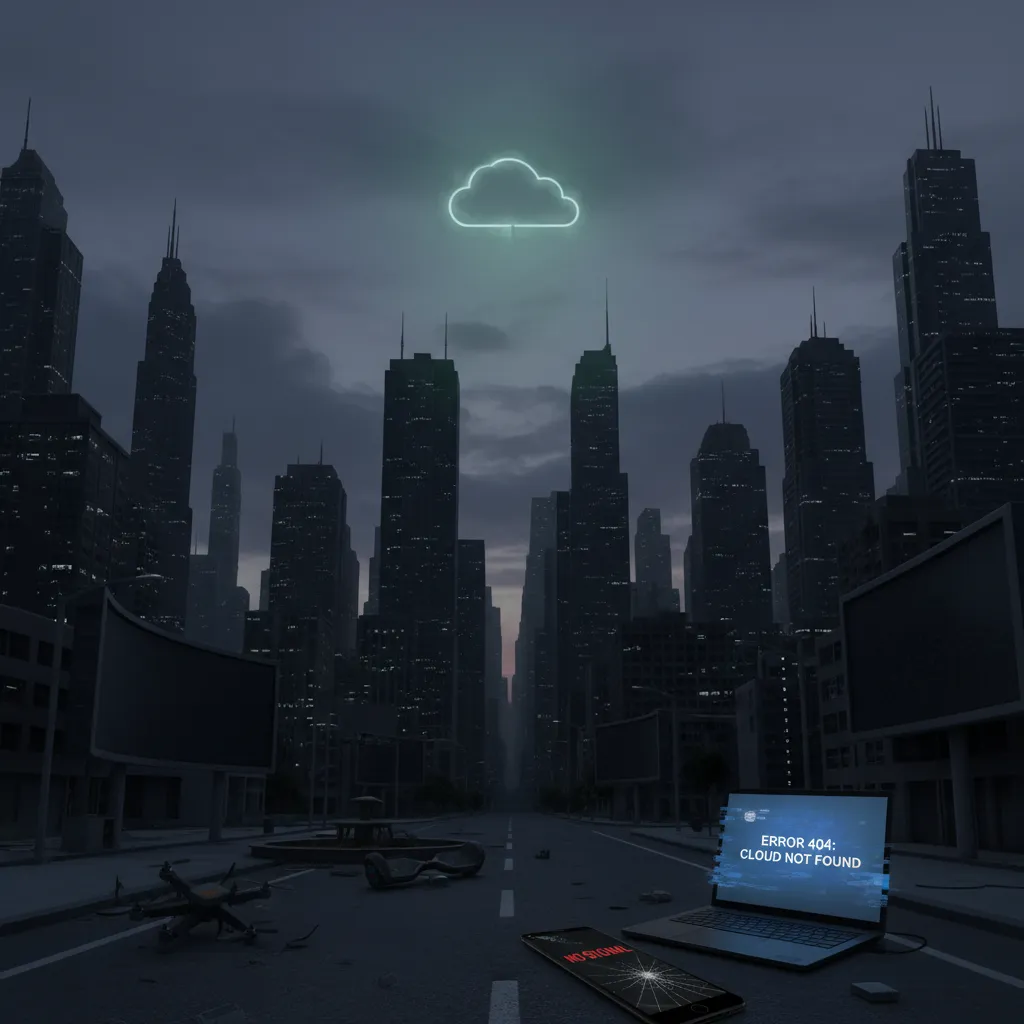
When the great cloud outage hit, it didn’t just take down small websites or apps. Even the biggest names—Google, Microsoft, and Oracle—were knocked offline. Why? Because these tech giants, despite being direct competitors, all depend on Amazon Web Services (AWS) behind the scenes. This is the hidden reality of Cloud Service Dependency : your favorite platforms, and even their rivals, are often built on the same digital foundation.
During the outage, Google Search went dark, Microsoft Teams stopped working, and over ten national health services in the UK relying on Oracle were suddenly offline. All of this happened because their infrastructure was tied to AWS. Even though Amazon, Oracle, Microsoft, and Google recently secured a $9 billion contract from the US government to create critical digital infrastructure, the outage proved that these “separate” providers are deeply intertwined. As one industry observer put it:
“Today, Amazon controls 30% of the internet—but their competitors also need them.”
A Digital Monopoly: Echoes of Standard Oil
This isn’t the first time a single company has held so much power. In 1909, Standard Oil controlled 91% of the oil industry. Back then, we called it a monopoly and broke it into 37 separate companies to protect competition and consumers. Fast forward to today, and Amazon’s grip on the internet is eerily similar—except now, the monopoly is digital. The consequences of this Tech Monopoly are clear: when one provider fails, the effects cascade across the entire web, causing Cascading Infrastructure Failures and exposing serious Cloud Dependency Issues .
Redundancy or Deeper Dependency?
After the outage, companies scrambled to buy more Amazon services in a rush to prevent future disruptions. This practice, known as “redundancy,” is supposed to offer backup and protection. But in reality, it often means doubling down on the same provider that just failed you. The irony? Every time there’s an outage, Amazon profits as customers panic-buy more of their services. Wall Street knows this too—Amazon’s stock price actually went up the next day.
The internet’s reliance on a handful of centralized providers means even competitors and critical public services have no real backup. When you peel back the curtain, the modern cloud isn’t just a utility—it’s a monopoly in disguise.
Paying the Invisible Price: How Outages Trickled Into Your Wallet
When the cloud goes dark, the Billion-Dollar Impact doesn’t just hit tech giants. It quietly drains your wallet, one bill at a time. The Economic Impact Estimates from the last major AWS outage reached up to $581 million in insured losses, according to CyberCube. But the real cost—spread across healthcare, utilities, education, and everyday services—could reach into the hundreds of billions.
How Cloud Costs Become Your Costs
Most companies no longer run their own servers. Instead, they rent cloud space from Amazon. That means when Amazon raises prices, every business that relies on the cloud—hospitals, schools, grocery stores, even your utility company—pays more. And those costs don’t stay with the companies. They get passed straight to you.
-
Healthcare:
Epic Systems
, used by 325 million patients, stores electronic health records in Amazon’s
cloud. When Epic or Amazon raises prices, hospitals increase their fees.
Your insurance premiums go up to cover these hikes. As one observer put it:
We're funding Jeff Bezos's lifestyle through every medical bill.
- Education: Schools use platforms like Canvas , which also rely on Amazon’s cloud. Taxpayer money covers these rising tech costs, often hidden as “other services” on school budgets.
- Utilities & Groceries: Utility companies and grocery stores use cloud-based software. Their software subscriptions and data storage costs are quietly added to your monthly bills and receipts.
The Hidden Web of Corporate Influence on Services
Every time you see a vague “service fee” or “technology surcharge,” you’re likely paying for a slice of Amazon’s infrastructure. These are not just minor annoyances—they are the result of a cloud monopoly that touches every part of modern life. Even your car insurance, water bill, and the price of bread at the store are affected.
It doesn’t stop there. Smart devices in your home—beds, doorbells, water filters—send your data to the cloud. That data is sold to marketers, who target you at your most vulnerable moments. Meanwhile, the data centers powering all this are driving up electricity rates. In Michigan alone, utilities approved $590 million in rate increases for 2025, partly to support the energy-hungry data centers behind the cloud.
The next time you wonder why your bills keep climbing, remember: the invisible price of cloud outages and corporate tech influence is already trickling into your wallet.
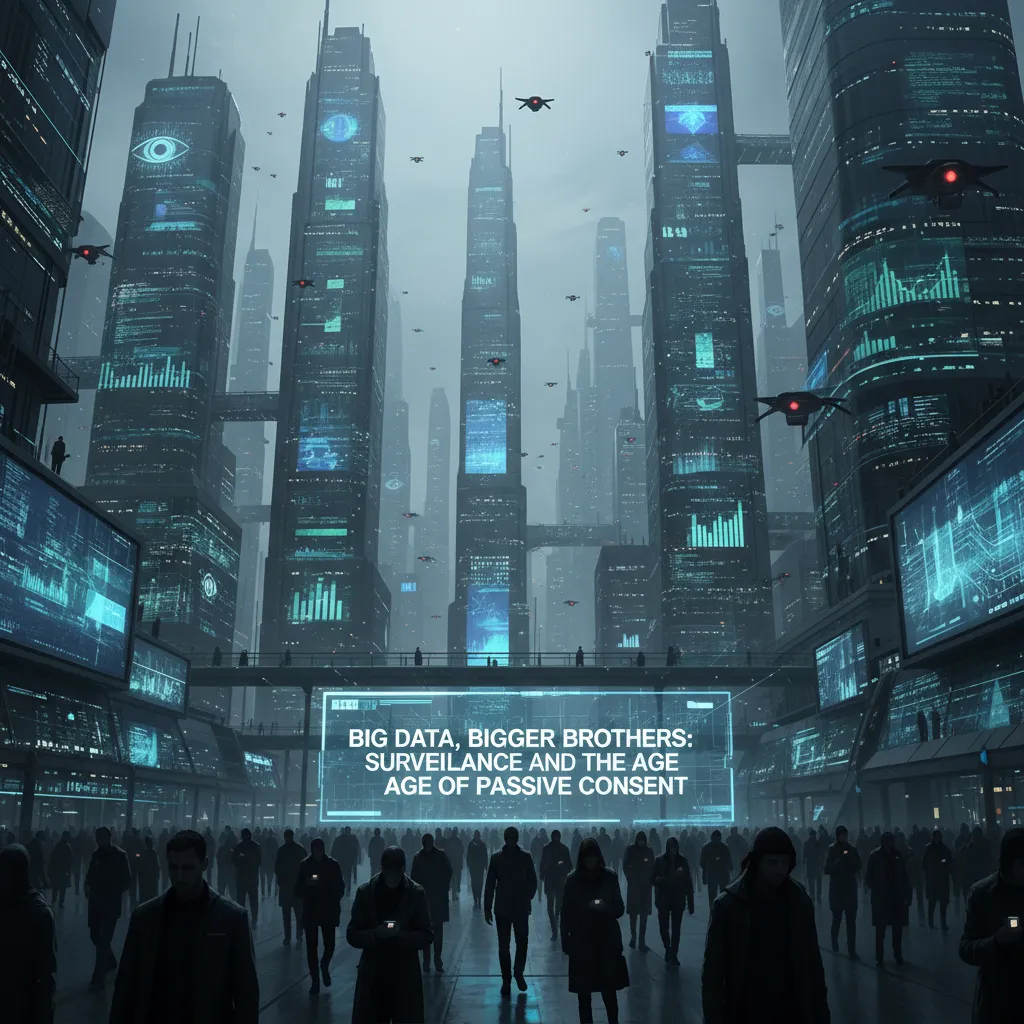
Big Data, Bigger Brothers: Surveillance and the Age of Passive Consent
When the cloud goes dark, it’s not just your streaming or smart lights that stop working—it’s a wake-up call about how much of your life you’ve handed over to tech giants. The Internet Infrastructure Vulnerability exposed by outages reveals just how deeply these companies are embedded in your daily routines. Consider Alexa: she doesn’t just answer questions or play music. She knows when your packages arrive, who visits your home, and even if your dog’s been fed. In many ways, your gadgets know you better than your friends do.
Every smart device—whether it’s your bed tracking your sleep, your fridge monitoring groceries, or your doorbell camera recording comings and goings—is quietly collecting data. As one observer put it,
“Our daily behaviors are data points for them, and this translates to big money for tech billionaires.”This is the hidden cost of convenience: your privacy is the product, and your habits are for sale. If you wake up stressed at 3:00 a.m., your smart bed records it, and soon enough, you might see a perfectly timed ad or notification, targeting you at your most vulnerable.
But the Consumer Impact of Outages and Tech Monopoly Consequences go beyond privacy. The data your devices collect doesn’t just sit in the cloud—it’s stored and processed in massive data centers. These centers are energy-hungry, and their growing demand is driving up utility costs for everyone. In Michigan, for example, increased data center usage has led to a $590 million hike in electricity rates and a $157 million increase for natural gas. In fact, 56% of data centers now run on natural gas, a fossil fuel that contributes to climate change and rising household bills.
The energy that powers your home and heats your water is being diverted to keep these data centers running. This means higher rates for you, approved by local representatives, while tech monopolies profit. The environmental impact is visible from space—satellite images show the earth getting hotter as data centers consume more resources, affecting both your wallet and the planet.
- Your sleep, your fridge, your dog—everything is a data point ready to be sold.
- Data centers eat up electricity, raise your rates, and drive climate change.
- Outages reveal just how much you trust—and depend on—these invisible systems.
Usership, Ownership, and the (Not So) Happy Digital Serf
Think back to a time when you could actually buy something and truly own it. Today, that idea feels almost nostalgic. From software to smart devices, the shift from ownership to “usership” is everywhere—and it’s reshaping your digital life in ways that are hard to ignore.
Take Adobe Photoshop as a prime example of Tech Monopoly Consequences . Once, you could purchase a lifetime license for $699 and use it as long as you wanted. Now, you pay $23 every month for the privilege of access, but you never really own the software. The same goes for the Oura ring: after paying over $300 for the device, you’re still charged $6 every month to unlock all its features. Even your car isn’t safe—Toyota now charges $8 a month just to remotely start vehicles you already bought.
- Photoshop: From $699 one-time to $23/month subscription
- Oura Ring : $300+ upfront, $6/month for full features
- Toyota: $8/month for remote start on new cars
- Smart Home Devices : Even your doorbell may require a subscription
This “pay to play” model is everywhere. Utilities, apps, and even basic household gadgets now come with recurring fees. As a result, you’re making endless payments for products that often get worse over time, not better. As one observer put it:
"There's no more ownership, it's just usership."
The Billion-Dollar Impact of this shift is felt not just in your wallet, but across society. While you pay more for less autonomy, the wealth gap keeps growing. The World Economic Forum once predicted, “You will own nothing and be happy by 2030.” They were right about the first part—ownership is vanishing, but happiness is not following. In fact, the U.S. is now facing a loneliness epidemic, with Gen Z especially affected by this new digital reality.
Meanwhile, Corporate Influence on Services is helping to create a new class of ultra-wealthy. For the first time in modern history, more billionaires are being created through inheritance than entrepreneurship, with $29 trillion expected to be passed down to billionaire heirs in the next 30 years. As digital ownership shrinks, the consequences of tech monopolies and recurring fees only deepen the divide.

Conclusion: When the Off Switch Isn’t in Your Hands, What Comes Next?
So where does this leave you, living in a world where the off switch for your digital life is controlled by just a handful of tech giants? The recent cloud outage exposed the reality of our Cloud Service Dependency and the far-reaching Tech Monopoly Consequences that come with it. Today, three companies control much of the internet’s backbone, while other billionaires continue to buy up the rest of our digital infrastructure. When their systems falter, the world feels it—and oddly, their stock prices often rise, showing just how deeply embedded and irreplaceable they’ve become.
This outage was more than an inconvenience; it was a preview of a future where a few billionaires truly own the off switch to your daily routines, your work, and even your social connections. The cracks in this system are starting to show, and every disruption makes it harder to ignore that something fundamental is failing. You may not know exactly what comes next, but history offers a roadmap: concentrated power, no matter how strong, never lasts forever.
Consider the story of Standard Oil, which once controlled 91% of the oil industry before being broken up into 37 companies in 1911. Today, Amazon alone controls around 30% of the internet’s infrastructure, and most of our critical systems rely on just three major cloud providers. The lesson is clear: every Gilded Age ends, and every monopoly eventually cracks under its own weight. But it’s not just the passage of time that brings change—it’s the pressure from below, from people like you who start asking questions and demanding alternatives.
The very fact that we’re even having this conversation is proof that change is on the horizon. Every outage, every moment of digital silence, sparks new discussions and pushes society to rethink who should hold the power to turn our lives on and off. Change is possible, but it starts with awareness and the collective will to demand better. As history shows, even the strongest monopolies fall when enough people decide they’ve had enough. The future of our digital lives depends on what we do next—together.
