
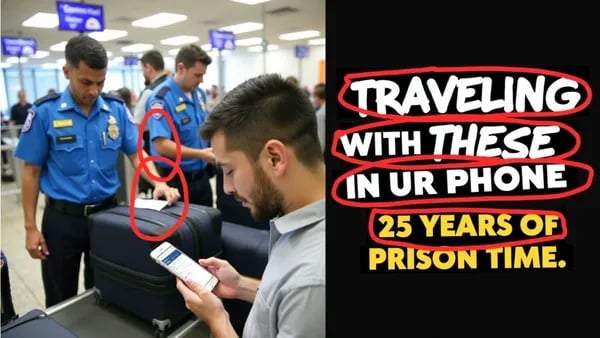



The last time I crossed an international border, the closest thing anyone wanted from me was a bar of duty-free chocolate. Fast forward to today, and suddenly, it’s not your suitcase, but your smartphone that’s the star of the show. Imagine an official scrolling through your vacation photos, messages from your mother, or that embarrassing search history about how to get ketchup out of silk shirts. Feels invasive, right? Yet, device inspections at the border are more common (and more uncomfortable) than ever before. What’s really happening behind the customs desk, and how can you travel with your dignity (and data) intact? Let’s dive in.
1. When Your Selfies Become Evidence: The Modern Border Search
Imagine this: You're standing in the customs line after a long flight, and suddenly an agent asks to see your phone. Not just glance at it—actually look through it. Sounds invasive, right? Yet this is increasingly common at international borders.
The New Normal at Borders
What many travelers don't realize is that customs agents have extraordinary powers that street police don't have. As one expert puts it:
"Your rights when crossing the border are very different from your rights when walking down the street."
Here's what you need to know:
- Customs agents can legally request to inspect your phones, laptops, cameras, and even USB drives
- These searches have become routine, especially if you're traveling on what authorities consider "high-risk" routes
- Many countries (including the US) now request your social media handles during visa applications
What Can They Actually Do?
There are typically two levels of device searches you might encounter:
- Basic searches: A quick look through your photos, messages, social media, and files
- Advanced searches: Using forensic tools to extract everything—even deleted files—and create complete disk images
And yes, agents can hold your device for hours or even days while they analyze it.
What Happens If You Refuse?
Your options are limited.
"Border agents have the power to search devices without a warrant."
The consequences vary depending on your citizenship status:
- If you're a citizen: They can't deny you entry, but they can confiscate your device and detain you for questioning
- If you're a non-citizen: You can be denied entry entirely for refusing to unlock your device
I once witnessed a traveler arguing about his "right to privacy" while a line of increasingly frustrated passengers formed behind him. Spoiler alert: it didn't end well for him.
The Digital Strip Search
Think about what's on your phone right now. Your banking apps? Private messages? Health information? Photos of your family?
It's like carrying your entire personal life in your pocket—and at borders, it's all potentially subject to inspection.
The unsettling reality is that your digital privacy exists in a different framework at border crossings. And as our devices hold more of our personal lives, these searches become increasingly intrusive.
2. Red Flags and Random Checks: What Gets You Pulled Aside?
Ever wondered why some travelers breeze through customs while others get the third degree? Turns out, it's rarely just bad luck. Border agents have a whole checklist of "suspicious" behaviors and circumstances that might get your devices flagged for inspection.
It's Not Always Random
Despite what officials might say, these checks aren't entirely random. Your behavior, appearance, and travel patterns all factor into whether you'll be pulled aside.
"You are more likely to be chosen to have your devices searched if: you have suspicious items in your luggage, you are missing some travel documents, have travelled to and from 'high risk' destinations..."
The Unofficial Red Flag Checklist
- Last-minute bookings - Purchasing tickets days before travel raises eyebrows
- Mismatched luggage - Claiming you're on vacation but packing business attire
- High-risk destinations - Some countries automatically trigger extra scrutiny
- Obvious nervousness - Sweating, talking too fast, or contradicting yourself
- Solo travel - Single men or women traveling alone get stopped more frequently
- Digital footprints - Adult content on devices or questionable WhatsApp messages
- Previous history - Prior run-ins with law enforcement
- Unusual routes - Like going from Mexico to Canada... via France?
Border agents have tremendous discretion. Something as simple as hesitating when answering questions can trigger a deeper inspection.
My Close Call: The Suitcase Mistake
Last year, I nearly spent an hour in secondary inspection because my luggage didn't "match" my story. I was traveling to a beach destination but had packed a suit for a surprise wedding. The agent was suspicious until I showed the invitation on my phone.
The most innocent explanations can look suspicious to a trained eye.
Sometimes It Really Is Random
"Or it was your lucky day and you were chosen in a random search."
Yes, sometimes it's just the universe having a laugh at your expense. Random selection does happen, and there's little you can do about it except cooperate and remain calm.
Remember, customs isn't looking to hassle regular travelers - they're trying to catch genuine threats. Unfortunately, the net they cast is wide, and many innocent travelers get caught in it.
Next time you travel, be aware that everything from your packing choices to your demeanor could determine whether your digital privacy remains intact at the border.
3. The Border Survival Kit: Practical Prep for Digital Privacy
Crossing borders with your tech can feel like walking into a privacy minefield. Let me guide you through some practical steps to protect your digital life.
Travel Light: The Less Tech, The Better
Ever considered just... not bringing your devices? Seriously. The simplest solution is often best.
- Mail your gadgets separately instead of carrying them. Border agents can't examine what isn't with you during entry.
- Use a "burner" device for travel. This isn't just spy-movie stuff—a temporary phone or laptop without your personal data makes sense for many travelers.
Cloud Storage: Your Digital Safe House
Transfer your sensitive info to cloud storage before crossing borders. Wipe device caches completely.
Why? Cloud data generally requires a warrant to access, while information physically on your device is fair game. Officials might ask you to "voluntarily" log in to your cloud accounts, though.
"A strong password will keep your data safe from even the most experienced forensic analyst on the most powerful computers."
Lock It Down: Encryption Is Your Shield
Don't make it easy for anyone to access your data:
- Use full-device encryption with strong passwords (not just screen locks)
- Windows users: Try BitLocker or VeraCrypt
- Mac users: Enable FileVault
- Linux folks: dm-crypt is your friend
Biometrics: A Border Privacy Trap
Switch off face/fingerprint unlock before reaching customs.
"Border officials can just unlock your phone by passing it near your face or using your finger data that they already have."
PIN codes and passwords offer better protection at borders than your biometric data.
Pre-Crossing Checklist
- Uninstall social media apps (you can download them again later)
- Log out of all accounts
- Turn devices completely off (not just sleep mode)
- Enable airplane mode
- Check that nothing auto-logs in when powered up
Remember: deleting everything can look suspicious. Aim for a balance—keep normal-use apps and some non-sensitive data.
I once had my phone examined while entering a country. Because I'd turned it off completely beforehand and disabled biometrics, the official couldn't easily bypass my security. They eventually gave up after asking me a few questions.
With these steps, you're not just randomly protecting your data—you're creating a thoughtful digital privacy strategy for your journey.
4. The Power of 'No'—Consent, Refusal, and Creative Tactics
There's a fascinating gray area at border checkpoints where your right to privacy meets an agent's authority. Many travelers don't realize they have options beyond simply complying with every request.
Request vs. Order: Know the Difference
Border agents often create deliberate ambiguity about whether they're asking or ordering you to do something. This confusion works in their favor, not yours.
You have the absolute right to ask: "Is this a request or an order?" This simple question can change the entire dynamic of the interaction.
If they confirm it's just a request? You can politely decline.
When You Can't Say No
The stakes differ depending on your citizenship status:
- Citizens can't be denied entry for refusing to unlock devices (though you might be detained)
- Non-citizens face tougher choices—denial of entry is possible
When pressure mounts and you feel forced to comply, remember this powerful phrase:
"I am complying under protest and I do not consent to this search."
This statement could be crucial if you later challenge the search in court. It helps defeat government claims that you voluntarily consented.
Creative Resistance Tactics
Sometimes, a strategic approach works better than outright refusal:
- Medical records defense: "My device contains confidential medical information that requires a warrant to access"
- Employer equipment defense: "This device belongs to my employer—you'll need to speak with their legal team"
These approaches might force agents to seek additional clearance. Just be prepared to answer follow-up questions convincingly!
Document Everything
If your device is searched, become a meticulous record-keeper:
- Agent names and badge numbers
- Time and duration of search
- Specific actions taken with your device
- Any statements made about the search
This documentation becomes invaluable if you file a complaint or lawsuit later.
After the Search
Once you're through customs, take these crucial steps:
- Change all passwords immediately
- Monitor accounts for suspicious activity
- Consider wiping devices if you suspect monitoring software installation
In countries with authoritarian tendencies, agents might install spyware during searches. A bit of paranoia here can save you significant privacy problems later!
Remember: staying calm and respectful doesn't mean surrendering your rights. The border exists in a unique legal space—your response can make all the difference.
5. Wild Card: If Devices Could Talk (And Other Surreal Possibilities)
"Imagine if your phone whispered, 'You did clear those memes, right?' as you approach border security."
Wouldn't that be something? Your device giving you a last-minute privacy check before the big inspection. Unfortunately, our gadgets aren't that helpful... yet.
The Art of Digital Deception
What if you had a digital "decoy" account with only cat videos and Sudoku puzzles? This isn't just paranoid fantasy—it's actually a technique used in high-stakes IT security! Creating a plausible-looking but ultimately harmless digital presence can be surprisingly effective.
I once met a traveler who took this concept to an extreme. They had configured every app on their phone to automatically uninstall when they entered specific geographic coordinates near border crossings. A bit over the top? Maybe. But points for creativity!
The Plausibility Problem
Here's a thought experiment: Would you rather explain to border control why your phone only has Tetris on it, or why it's wiped entirely?
Neither is ideal, honestly.
- Too empty: A completely wiped device raises red flags
- Too curated: An obviously sanitized device looks suspicious
- Just right: A believable mix of personal content with sensitive data removed
Balancing plausible device contents with privacy protection is trickier than it sounds. You need enough normal-looking stuff to appear genuine without exposing anything truly private.
Creative Privacy Tactics That Actually Work
Some legitimately useful approaches include:
- Using a "travel profile" with minimal apps and data
- Setting up dummy social media accounts that look active but contain nothing sensitive
- Creating decoy folders with innocent-looking content to distract from encrypted containers
- Keeping a reasonable browser history (yes, actually keeping some history)
Paranoid much? Perhaps. But a bit of inventive self-defense goes a long way when privacy is on the line. Think of it as digital theater—you're creating a plausible version of yourself that satisfies scrutiny without compromising your actual private information.
Just remember: whatever strategy you choose needs to be something you can implement consistently and explain confidently if questioned. The most sophisticated privacy setup falls apart if you get flustered explaining why your "everyday phone" only has three apps installed.
6. Staying Human: Poise, Politeness, and the Right to Stay Weird
Ever been at the border feeling like your dignity is being questioned along with your passport? Been there. The good news? You can maintain your humanity even when your privacy feels threatened.
The Golden Rules of Border Interactions
Stay calm — even when it's the fifth time showing your itinerary and the agent is raising eyebrows at your meme wallpaper. Deep breaths help more than you'd think.
Remember this mantra from border security experts:
"Be courteous, do not lie, and do not physically interfere with the agent's search."
Being polite isn't just good manners — it's strategic. Rudeness rarely pays off and often makes things worse. A respectful tone can de-escalate tension faster than any argument.
Standing Your Ground (Without Getting Grounded)
- You can comply while still noting your objection
- If forced to unlock your device, clearly state you're doing so "under protest"
- Try the "confidential information" approach if applicable (medical records or work devices)
- Never physically interfere — this will only complicate your situation
Sometimes, mentioning that a device belongs to your employer and suggesting they contact company lawyers can be effective. But be prepared to answer follow-up questions convincingly.
After-Search Protocol
If your devices were searched, take these steps immediately:
- Document everything: Who searched you? Badge numbers? What exactly happened?
- Change all passwords for accounts accessed during inspection
- Reset social media logins — just in case someone's watching
- Consider the possibility of installed spyware in high-risk countries
These records aren't just for peace of mind — they're crucial if you later decide to file a complaint or lawsuit.
Remember Your Rights
You deserve to travel with dignity (and yes, a few secrets). Border security is important, but so are your basic rights as a human being.
The most powerful approach combines respect for authority with quiet confidence in your own boundaries. You can be both polite AND firm.
Will this guarantee smooth sailing? No. But approaching customs with calm, respect, and a strategy for restoring your digital defenses afterward makes difficult experiences more bearable.
And sometimes, holding onto your weird, wonderful self during stressful border crossings is the most powerful privacy tool of all.
7. Conclusion: Traveling Between Worlds—Yours and Theirs
Travel is about broadening horizons, not surrendering your digital life at a checkpoint. Every time you cross a border today, you're essentially stepping into another legal universe—one with its own rules about what's private and what's fair game.
Here's the thing: you can't control which border agent gets curious about your devices, but you absolutely can control what they find. That power remains yours.
I remember standing in a particularly tense customs line last year, watching a traveler argue with an agent about a phone search. The shouting didn't help his case. Meanwhile, the prepared travelers moved through quietly, their digital lives properly secured beforehand.
Finding balance between compliance and privacy isn't just possible—it's achievable with some creativity, preparation, and keeping a cool head. The tools are there: encryption, cloud storage, temporary devices. The mindset matters just as much as the tech.
The right to digital privacy might feel slippery at borders, but with the right moves, it remains within your grasp. Think of it like packing for unpredictable weather—preparation makes all the difference.
Your Memories, Your Choice
Besides, the best travel memories? Those are between you and your camera roll—unless you want to share. That sunset in Bali or that embarrassing karaoke night in Seoul deserves protection from random scrolling.
Your suitcase and your phone both cross the border—but only one deserves a thorough search. Border officials have their job to do, but you have rights to maintain.
Safe travels, and remember: just because you visit new places, doesn't mean your data should go on a trip too. Keep your digital footprint where it belongs—under your control.
In the end, protecting your privacy at borders isn't about having something to hide. It's about maintaining the basic dignity we all deserve in an increasingly connected world. With the strategies outlined in this guide, you're now better equipped to navigate the complex intersection where travel meets technology.
Your journey awaits—and your privacy can come along for the ride, securely tucked away where it belongs.
