



Sometimes, the news hits home in ways you don’t expect. I remember walking Pearl Street Mall years ago—bustling with life and protestors, all shouting their truths into the bright Colorado morning. Never did I imagine reporting on a violent hate crime in this same space. Yet, on June 2, 2025, a horrifying attack shattered the peace of a pro-Israel demonstration in Boulder, reminding us all that hate is more than a headline: it’s a force that walks among us and targets the vulnerable. Today, I want to piece together not just the incident, but the heartbreak, the outrage, and yes—my own shaken faith in public safety.
Through Smoke and Sirens: The Boulder Attack Unfolds
On June 2, 2025, downtown Boulder was transformed from a peaceful city center into the site of a harrowing terror attack. As the White House Correspondent for PBS NewsHour, I witnessed firsthand the aftermath of what authorities are now calling a hate crime and an act of terrorism. The attack targeted participants of the “Run For Their Lives” event, a regular walk organized to raise awareness for Israeli hostages. The group had gathered near the Pearl Street Mall, an area usually bustling with shoppers and families, when chaos erupted.
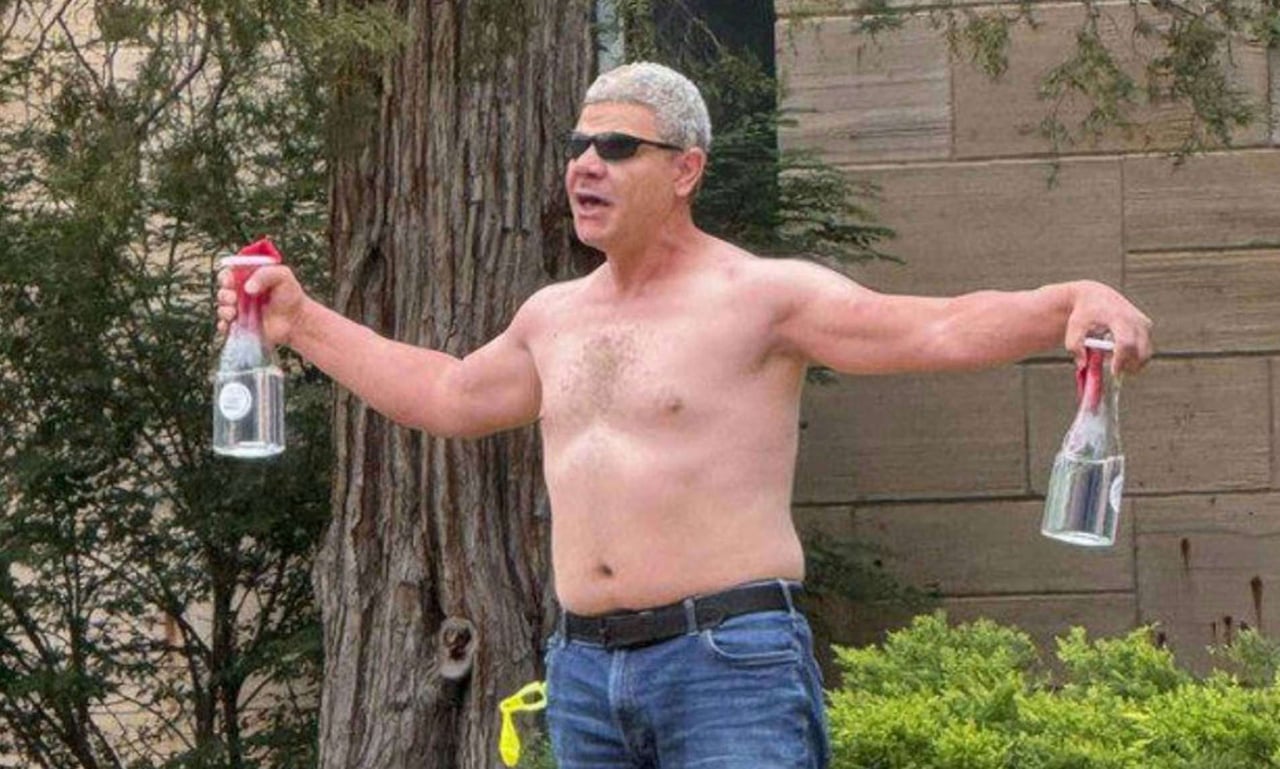
According to law enforcement and eyewitness reports, Mohamed Sabry Soliman, a 45-year-old Egyptian national, approached the group armed with a makeshift flamethrower and several Molotov cocktails . In broad daylight, Soliman allegedly hurled incendiary devices into the crowd, igniting panic and flames. Cell phone footage and personal accounts have since flooded social media, showing onlookers sprinting toward the burning victims, pulling them to safety, and smothering flames with jackets and bare hands. The Pearl Street Mall, a symbol of Boulder’s vibrant community, became the backdrop for a scene of terror and heroism.
Twelve people suffered burn injuries in the Boulder terror attack, with victims ranging in age from 52 to 88. Among them was a Holocaust survivor, a detail that has deeply shaken both local residents and the broader Jewish community. At least two victims remained hospitalized in the days following the attack, their conditions a stark reminder of the violence that unfolded. The group had been peacefully marching in support of Israeli hostages when they were targeted, turning what should have been an act of solidarity into a nightmare.
The attack was swift and brutal. Witnesses described seeing Molotov cocktails flying through the air, followed by the roar and flash of a makeshift flamethrower. One woman, according to police and video evidence, was engulfed in flames from head to toe. The suspect, Soliman, reportedly shouted “Free Palestine” and anti-Israel slurs as he carried out the assault. Law enforcement officials later confirmed that Soliman was found in possession of at least 16 additional Molotov cocktails, suggesting a level of premeditation and preparation that is chilling in its scope.
Court documents released in the days after the attack revealed even more disturbing details. Soliman confessed to police that he had planned the attack for a year, specifically targeting what he called a “Zionist group.” He expressed no remorse, telling investigators he wished all the victims were dead and that he would not hesitate to repeat his actions. This level of intent, coupled with the use of homemade incendiary devices, has led both federal and state prosecutors to charge Soliman with 16 counts of attempted murder and a federal hate crime.
The community response has been swift and resolute. Local, state, and federal officials have condemned the Boulder terror attack in the strongest terms. FBI Special Agent in Charge Mark Michalek stated,
“Hate-fueled acts of violence have no place in our community, and we will use every tool and resource available to hold those who commit such acts fully accountable.”
The incident has also reignited debates around immigration and national security. Soliman, who entered the United States legally in 2022 on a tourist visa, had overstayed his permitted stay and was living in the country illegally at the time of the attack. President Trump and the Department of Homeland Security were quick to highlight this aspect, calling for stricter border controls and immigration enforcement . The Justice Department confirmed that Soliman’s family was taken into ICE custody following his arrest.
Research shows that this Boulder hate crime is part of a troubling trend of antisemitic violence in the United States. Just a month prior, two Israeli Embassy staffers were murdered in Washington, D.C., under similar circumstances. The Boulder attack has left the local community on edge, with many residents questioning their safety and the adequacy of current policies to prevent such acts.
As the investigation continues, authorities are examining Soliman’s background and possible connections. For now, evidence suggests he acted alone, but the FBI is treating the Boulder terror attack as a targeted act of hate. The Pearl Street Mall, once a symbol of community, now stands as a stark reminder of the violence that can erupt from hate and extremism.
Layers of Motive: Hate Crimes, Immigrant Status, and National Outcry
Reporting from Boulder, Colorado, I have witnessed firsthand how the city has been shaken by the recent attack that left twelve people injured and reignited national debates around hate crime charges, immigration enforcement, and community safety . At the center of this case is Mohamed Sabry Soliman, a 45-year-old Egyptian national, now facing both federal hate crime charges and 16 counts of attempted murder charges after a violent assault on a pro-Israel demonstration.
According to law enforcement and court documents, Soliman meticulously planned the attack for a year. He specifically targeted a group he described as a “Zionist group,” and during the assault, he shouted “Free Palestine” and anti-Israel slurs. Eyewitnesses captured the chaos as Soliman used a makeshift flamethrower and Molotov cocktails, setting several people alight. The FBI later confirmed that he was found with at least 16 additional incendiary devices, underscoring the level of premeditation involved.
Soliman’s motive, as revealed in his own confession to police, was chillingly clear. He admitted he wanted to “kill all Zionist people” and expressed no remorse, even stating he would not hesitate to repeat the act. These details, released in court filings, have been cited by prosecutors as evidence of a hate-driven attack. Colorado Attorney General Phil Weiser and FBI Special Agent Mark Michalek have both labeled the incident as a targeted hate crime and an act of terrorism, emphasizing the gravity of the legal proceedings now underway.
Immigration Status in the Spotlight
As the investigation unfolded, Soliman’s immigration status quickly became a focal point of public and political discourse. The Department of Justice confirmed that Soliman entered the United States legally in 2022 on a B-2 tourist visa. However, that visa expired two years prior to the attack, rendering his presence in the country illegal. Despite this, records show Soliman had valid work authorization until March 2025—a detail that has raised questions about gaps in the immigration system.
Following his arrest, Soliman’s family was taken into ICE custody. The Department of Homeland Security highlighted his expired visa, and the Trump administration wasted no time in connecting the incident to broader concerns about border security. President Trump, using his social media platform, declared:
“This is yet another example of why we must keep our border secure.”
That statement amplified the immigration angle, making Soliman’s expired visa and ongoing work authorization a central part of the national conversation. The Department of Justice and the White House both underscored the importance of enforcing immigration laws as part of their response to the attack.
Political and Community Response
The attack drew swift condemnation from political leaders across the spectrum. Israeli Prime Minister Benjamin Netanyahu spoke out, emphasizing that the victims were targeted “simply because they were Jews.” Among the injured was a Holocaust survivor, a fact that further intensified the emotional response from the Jewish community and beyond. Local officials, including Boulder’s mayor and Colorado’s attorney general, joined federal authorities in pledging to use every available tool to prosecute hate-fueled violence.
This incident has also reignited debates over how hate crime charges and attempted murder charges are pursued in cases involving immigrants with expired visas. Soliman is currently being held in Boulder County Jail on a $10 million bond, represented by the Public Defender’s Office. The legal proceedings are expected to be closely watched, not only for their outcome but for their broader implications on immigration policy and community safety.
Broader Context and Ongoing Threats
Research shows that the Boulder attack is part of a disturbing trend of antisemitic violence in the United States. Just last month, another high-profile attack occurred near the Capital Jewish Museum in Washington, D.C., where two Israeli Embassy staffers were murdered. In both cases, the perpetrators shouted “Free Palestine,” linking the violence to ongoing geopolitical tensions.
Community leaders and law enforcement agencies have responded by increasing security and emphasizing the need for vigilance. The FBI continues to investigate whether Soliman acted alone, but current evidence points to a lone attacker who spent a year planning his actions. The Justice Department has vowed to pursue both federal and state-level charges to ensure full accountability.
As legal proceedings move forward, the Boulder community—and the nation—remains on edge, grappling with the layers of motive, the realities of immigration enforcement, and the urgent need to address hate-driven violence.
Shockwaves and Aftermath: Boulder Grapples with Hate and Hope
Reporting from Boulder, Colorado, I have witnessed firsthand the deep shock and pain that has rippled through this community in the wake of a violent hate crime. The attack on June 2, 2025, which left twelve people injured during a peaceful march for Israeli hostages, has forced Boulder—and the nation—to confront the growing threat of antisemitic violence and the urgent need to strengthen community safety.
Federal and state authorities moved swiftly, charging Mohamed Sabry Soliman with 16 counts of attempted murder and a federal hate crime. He now sits in Boulder County Jail, held on a $10 million bond, as legal proceedings begin. The Department of Justice and U.S. Attorney General have both condemned the attack, pledging to use every available resource to ensure accountability. As Acting U.S. Attorney J. Bishop Grewell stated, these charges are only the first step in a long legal process that will be closely watched by many.
The details of the attack are chilling. According to law enforcement, Soliman used a makeshift flamethrower and Molotov cocktails to target the crowd, shouting anti-Israel slurs and “Free Palestine” as he acted. Among the victims was a Holocaust survivor, a fact that has added a layer of symbolic pain for many in the Jewish community. The group targeted, Run for Their Lives, regularly organizes walks to raise awareness about Israeli hostages—a cause that has now been marked by tragedy.
Community leaders, the FBI, and advocacy organizations have united in their condemnation. This incident is not isolated. Just weeks earlier, two Israeli Embassy staffers were murdered in Washington, D.C., in another attack marked by similar rhetoric. The pattern is clear: antisemitic violence is on the rise, and communities across the United States are feeling the impact.
In Boulder, the sense of safety has been shaken. I have spoken with residents who recall a time when block parties brought together neighbors of all backgrounds. Now, many admit to feeling fear and suspicion in the aftermath of the attack. One neighbor told me, “We used to feel safe walking downtown. Now, I’m not so sure.” These personal stories underscore the broader anxiety that has taken hold.
The attack has also triggered renewed conversations about how to protect vulnerable communities. Synagogue security , public event safety , and mental health support are now central topics in Colorado and beyond. Local officials and advocacy groups are calling for increased vigilance and support for victims of hate crimes. As FBI Special Agent in Charge Mark Michalek put it,
“Hate-fueled acts of violence have no place in our community, and we will use every tool and resource available to hold those who commit such acts fully accountable.”
The immigration status of the suspect has added another layer to the public discussion. Soliman, an Egyptian national, had overstayed his visa and was living in the U.S. illegally at the time of the attack. This fact has fueled debate over border security and immigration enforcement, with President Trump highlighting the issue on social media. The Department of Homeland Security has since confirmed Soliman’s expired visa status, and his family has been taken into ICE custody.
As legal proceedings unfold, Soliman is represented by the Public Defender’s Office, and the FBI continues to investigate the possibility of broader connections or premeditation. Research shows that such attacks, especially those targeting Jewish communities, have become more frequent and more brazen. The presence of a Holocaust survivor among the victims has only deepened the sense of loss and urgency.
Prime Minister Benjamin Netanyahu summed up the pain felt by many when he said,
“The victims were targeted simply because they were Jews.”This stark reality is a reminder of the work that remains to be done to combat antisemitic violence and to protect all communities from hate.
As a journalist, I am committed to ongoing coverage of this story. PBS NewsHour will continue to report on the legal proceedings, changes in community safety practices, and the broader implications for national policy. The shockwaves from Boulder are still being felt, but so too is a sense of hope—a hope that through vigilance, unity, and accountability, we can prevent future tragedies and build safer, more inclusive communities.
