



Once upon a time, I tried to cancel a gym membership and ended up learning more about certified mail than thigh curls. If you've ever felt like canceling a subscription was harder than mastering sourdough, this one’s for you. Let’s peel back the layers on why so many companies make leaving so difficult and how a little-known FTC rule aims to tip the scales back toward, well, basic fairness.
A Gym Membership and a Certified Mail Odyssey: The Real Cost of Cancelling
Imagine signing up for a gym membership online in just a few clicks, only to discover that cancelling that same membership requires a trip to the post office, certified mail in hand. This is not a hypothetical scenario—it’s a reality for many consumers, as highlighted by Lewis Rossman in his episode of "How You're Getting Fed." His experience with Best Fitness Nasha, which forces members to cancel via certified mail, is a perfect example of how companies design the subscription cancellation process to be as inconvenient as possible.
Let’s break down what this really means for you. First, you have to leave work early because the post office closes at traditional business hours. Then, you wait in line—sometimes for 15 minutes or more—just to send a single piece of mail. All this, just to stop recurring charges from hitting your bank account. For most people, this is a significant hassle. And it’s not an accident. Research shows that companies intentionally add friction to the recurring subscription cancellation process, hoping you’ll procrastinate or give up entirely. The longer you delay, the more money they make from your recurring payments.
Rossman points out the absurdity of this approach. He owns specialized equipment like a Zebra 2844 printer and a Fujitsu scanner, making the process slightly easier for himself. But, as he notes, “most consumers don’t have these tools at home.” For the average person, the process is even more daunting. This is a classic example of what some call “death by inconvenience”—a strategy designed to keep your recurring charges flowing by making cancellation feel like an uphill battle.
What’s especially frustrating is the lack of logic behind these requirements. If you can sign up for a service online, why can’t you cancel online as well? As Rossman puts it:
If you're able to take my money with one click, you got to be able to stop taking my money with one click instead of doing like this.
This quote captures the heart of the issue. The recurring charges cancellation process should be as simple as the sign-up process. Yet, many businesses resist this idea, arguing that adding a click-to-cancel feature would be an “unnecessary burden.” But who is really burdened here—the company, or the consumer who has to spend half an hour just to cancel?
Industry opposition to the FTC’s new Click-to-Cancel Rule is fierce. Trade groups claim it threatens their business models and could even endanger lives in rare cases. But these arguments often rely on extreme hypotheticals, ignoring the everyday reality for most consumers. In truth, automated confirmation emails or calls are already standard practice and could easily address most concerns.
Ultimately, the real cost of cancelling a recurring subscription isn’t just the time or money spent—it’s the frustration and sense of powerlessness that comes from facing a system designed to keep you locked in. The intentional complexity of the subscription cancellation process is a tactic to retain your business, not a necessity for good service.
What is the FTC’s Click-to-Cancel Rule and Why Should You Care?
If you’ve ever tried to cancel a gym membership, streaming service, or any recurring subscription, you probably know how frustrating it can be. Maybe you signed up online in seconds, but when it came time to cancel, you were told to send a certified letter or call during limited business hours. This isn’t just an inconvenience—it’s a deliberate tactic. Companies count on you giving up or putting off cancellation, so they can keep charging you. That’s exactly what the FTC’s new Click-to-Cancel Feature aims to fix.
The Click-to-Cancel Rule, finalized by the Federal Trade Commission and rooted in Consumer Protection Laws, is designed to make cancelling a subscription as simple as signing up. In the words of the FTC,
The rule requires companies to provide a 'simple mechanism' for cancellation that is as easy as enrollment.This means if you can enroll with a click, you must be able to cancel with a click. No more certified mail, no more endless phone calls, no more jumping through hoops.
Here’s what you need to know:
- Same Medium, Same Ease: If you signed up online, you must be able to cancel online. If you enrolled by phone, you should be able to cancel by phone. The process must be straightforward and cost-free.
- Transparency Required: Companies must clearly disclose all material terms before they get your billing information. No more hidden fees or confusing fine print.
- Explicit Consent: Businesses can’t just sneak in recurring charges. They need your clear, informed agreement before charging you for negative option or automatic renewal features.
- Real Penalties: If a company violates these rules, they face civil penalties of up to $53,088 per violation. That’s a serious incentive to comply.
The FTC Compliance Deadline for the Click-to-Cancel Rule is now set for July 14, 2025. This gives businesses time to adapt, but also means consumers will need to wait a bit longer for these protections to kick in. The rule is part of a broader push to strengthen consumer rights, including a new regulation on unfair or deceptive fees that took effect in May 2025.
So, why are some companies pushing back? Industry groups argue that making cancellation “effortless” threatens their business models. They claim it’s an “unnecessary and unlawful burden.” But as consumer advocates point out, requiring a website cancel button is hardly a burden compared to making customers waste time at the post office or on hold. Research shows that companies have long relied on complicated cancellation processes to keep you paying longer than you want.
In reality, the Click-to-Cancel Feature is about fairness and transparency. If a business model depends on trapping customers through inconvenience, it’s time for a change. The FTC’s new rule puts the power back in your hands, ensuring that your right to cancel is protected by law. As the compliance deadline approaches, expect to see more companies updating their processes to meet these new standards.
How Businesses Spin the Narrative: Excuses, Outrage, and the Human Element
When it comes to Consumer Rights Advocacy, few topics spark as much debate as the right to cancel a subscription. The new FTC “Click-to-Cancel” rule aims to make Subscription Service Compliance straightforward—if you can sign up online, you should be able to cancel just as easily. But as you might have noticed, businesses rarely accept these changes quietly. Instead, they often launch campaigns filled with dramatic warnings and emotional appeals, all designed to keep you locked in.
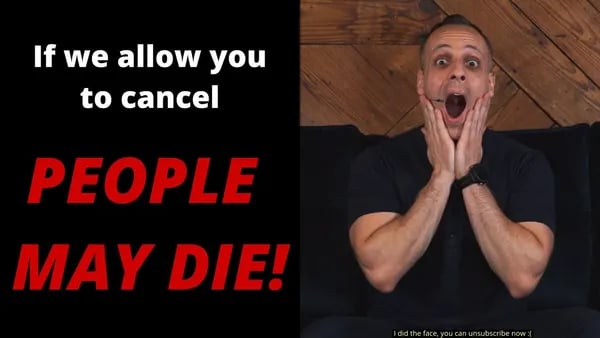
One of the most common tactics is to argue that making cancellation easy could “endanger lives.” Yes, really. Security companies, for example, warn that a simple online cancel button could lead to accidental cancellations of life-saving monitoring services. Industry spokespeople paint vivid pictures: someone clicks the wrong button, cancels their alarm system, and disaster strikes. These stories are meant to make you pause, to make you question whether convenience is worth the risk.
But research shows that these arguments are often self-serving and based on unlikely disaster scenarios. The reality? Most companies already have systems in place—like confirmation emails or follow-up calls—to prevent accidental cancellations. These safeguards are inexpensive and widely used, undermining the industry’s claims that the new rules would create chaos.
You’ll also hear companies say that Consumer Protection Laws like the FTC’s rule threaten their very existence. As one industry group put it:
“These rules threaten a business model essential to companies of all sizes across various industries and to consumers.”
But let’s look at what’s really happening. Many businesses have built their models around making cancellation difficult. Lewis Rossman, in his “How You’re Getting Fed” episode, shares a personal example: a gym that requires cancellation by certified mail. This process isn’t just inconvenient—it’s designed to be a barrier. The more time and effort it takes you to cancel, the longer the company profits from your membership.
This isn’t about protecting you. It’s about protecting revenue. Companies often claim their “for your benefit” policies are there to help you avoid accidental cancellations or to ensure you understand the consequences. In reality, these policies are a form of emotional manipulation. They play on your fears and your tendency to procrastinate, hoping you’ll give up before you reach the finish line.
These arguments aren’t new. During right-to-repair debates, companies used similar scare tactics, warning that consumer freedom would lead to safety risks and higher costs. Now, with Material Terms Disclosure requirements and stricter Subscription Service Compliance rules, the same playbook is in use. Businesses raise the specter of increased costs, accidental service losses, and even threats to public safety—all to resist giving you the freedom to cancel on your terms.
Industry pushback shows just how far companies will go to avoid Consumer Protection Laws that empower you. By spinning wild stories and leveraging emotional manipulation, they hope to maintain the status quo. But as the FTC’s new rule makes clear, your right to cancel is a fundamental part of true Consumer Rights Advocacy.
How to Push Back: Everyday Advocacy and Making It Stick
You might think that Consumer Rights Advocacy is reserved for lawyers or policy experts, but the reality is, everyday people like you are the real engine behind lasting change. When it comes to Subscription Service Requirements and the Subscription Cancellation Process, your voice and your story matter more than you might realize. The recent push for the FTC’s “Click-to-Cancel” rule is proof that collective action and grassroots documentation can drive regulatory progress and Consumer Rights Protection.
Let’s be honest: companies often make it easy to sign up for a recurring service, but intentionally difficult to cancel. Lewis Rossman’s experience with Best Fitness Nasha—where canceling required certified mail and a trip to the post office—highlights a widespread problem. These hurdles aren’t accidental. They’re designed to wear you down, hoping you’ll give up and keep paying. But you don’t have to accept this. Research shows that when consumers document these “death by inconvenience” stories and share them, it creates pressure for businesses to change and for lawmakers to step in.
That’s where community-driven platforms like consumersights.wiki" target="_blank">consumersights.wiki come in. You don’t need to be a tech wizard or legal expert to participate. As Lewis puts it,
If you want to help, go to consumersights.weeki and try to make this better.By logging your experiences—whether it’s a gym that makes you jump through hoops to cancel, or a streaming service that hides the “unsubscribe” button—you’re helping build a public record. This record isn’t just a place to vent; it’s a tool for Consumer Rights Protection and a resource for journalists, lawmakers, and other advocates.
With over 2 million subscribers in the channel’s audience, this community is already making waves. Every story logged, every company called out, and every pattern identified helps counteract the powerful industry lobbying and PR spin that often dominates the conversation. When you amplify your voice alongside others, you make it harder for companies to ignore consumer needs or misrepresent the impact of fair cancellation rules.
So, how do you make your advocacy stick? Start by documenting your experience. Save emails, take screenshots, and write down the steps you had to take to cancel. Share your story on platforms like consumersights.wiki or join the Discord community to connect with others facing similar challenges. When you see anti-consumer practices, don’t just shrug them off—call them out. Support petitions, comment on proposed regulations, and educate friends and family about their rights.
Remember, you don’t have to donate money or have a huge social media following to make a difference. Your time, your story, and your willingness to speak up are enough. As more consumers participate, the pressure builds for companies to create transparent, user-friendly cancellation processes—and for lawmakers to enforce these standards. That’s how real Consumer Rights Advocacy works: one person at a time, building momentum until change becomes inevitable.
If you’re tired of being trapped by unfair Subscription Service Requirements or a broken Subscription Cancellation Process, don’t wait for someone else to fix it. Get involved, document your experience, and help shape the future of consumer rights. Together, we can make it stick.
