


I still remember waking up on June 7, 2025, far from Kharkiv—but somehow, the echoes of explosions and the raw aftermath seeped through every newsfeed, every voice note from friends overseas. There was something different in the air—not just the usual statistics, but frantic stories about neighbors forming rescue lines and a sense of frantic unity taking root in a burning city. It’s easy, sitting safe, to let the relentless news about the Russia-Ukraine war become a distant hum. But if you pay attention on days like this, the war becomes personal, unpredictable, and painfully, intimately human.
Kharkiv Under Fire: The Human Pulse Behind the Headlines
On June 7, 2025, Kharkiv Oblast became the epicenter of a devastating escalation in the Russia-Ukraine war. As Russian forces unleashed a barrage of missiles, drones, and aerial bombs, the city’s familiar streets transformed into scenes of chaos and destruction. You see the headlines—civilian casualties, damage assessment, numbers that blur together. But behind every statistic, there are human stories that cut through the noise.
In the early morning darkness, the first wave of attacks struck. According to Kharkiv’s mayor, Ihor Terekhov, this was “the most powerful attack” since the invasion began in 2022. At least four people lost their lives, more than 26 were wounded, and the city’s infrastructure took a heavy blow: 18 apartment blocks and 13 private homes damaged. Among the wounded, a baby boy and a 14-year-old girl—children whose lives changed in an instant.
You hear voices from inside the fire. Alina Belous, a resident, describes how neighbors and emergency workers formed a human chain to battle the flames.
“We formed a line, passing buckets of water up the stairwell to reach the flames—no one hesitated.”The urgency is palpable. Rescuers risked their lives, racing against time as ceilings cracked and smoke thickened. In another building, Vadym Ihnachenko realized the war had found him at home.
“When my ceiling started to crack, I realized war can find you even in your own bed.”These accounts bring the civilian casualties into sharp focus, revealing the anxiety and solidarity that define daily life in Kharkiv Oblast.
The damage assessment is grim. Regional governor Oleh Syniehubov reported that the morning assault included three missiles, five aerial glide bombs, and 48 drones. Emergency crews spent hours searching for survivors, even as hopes faded for those trapped beneath the rubble of an industrial facility. The humanitarian crisis deepens with every strike, and research shows that the air war’s intensity is making civilian protection more difficult by the day.
Across Ukraine, the violence did not stop at Kharkiv’s borders. Dnipropetrovsk province reported two more wounded, while other regions like Donetsk, Odesa, and Ternopil faced their own attacks. The Russian Defense Ministry claimed it targeted military assets, but made no mention of civilian suffering. Meanwhile, Ukrainian air defenses managed to intercept dozens of drones and missiles, yet the scale of destruction remains overwhelming.
In the midst of this, survivor stories like those of Alina and Vadym humanize the headlines. Their resilience, and that of their neighbors, is a testament to the spirit of Kharkiv. As the conflict drags on, these human stories remind you that behind every damage assessment and casualty report, there are lives forever changed.
Ripples Across Ukraine: Expanding Frontlines and Civilian Fallout
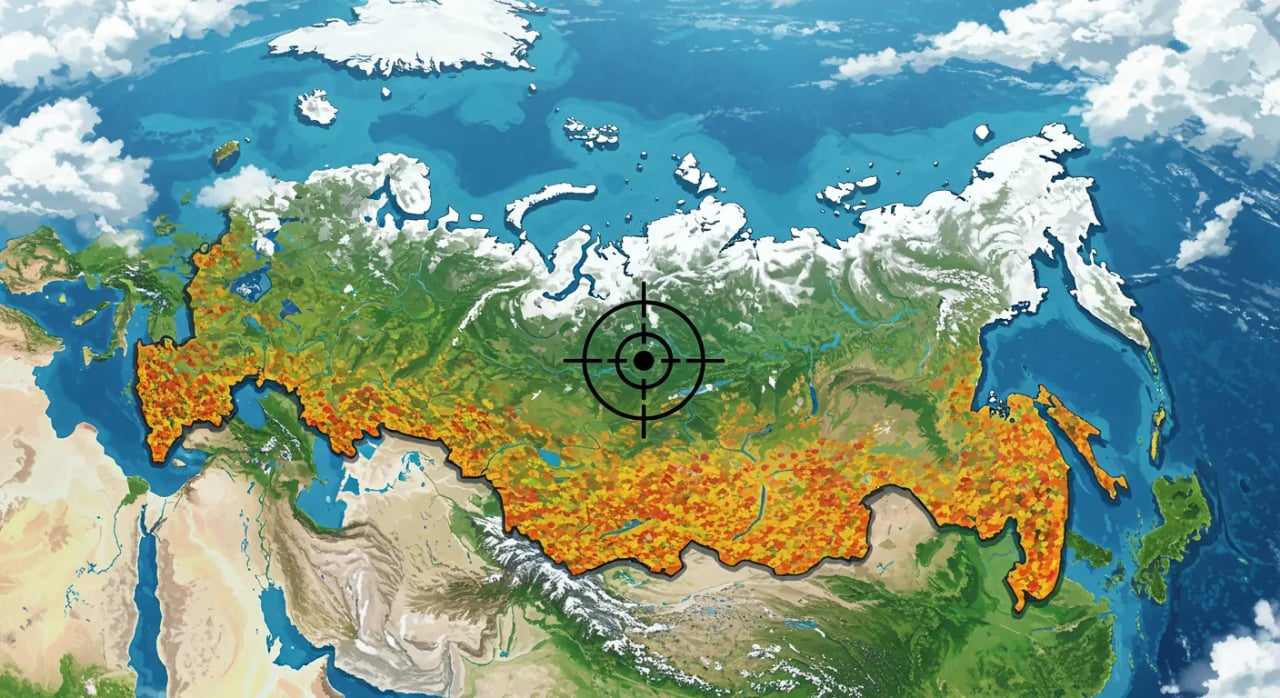
On June 7, 2025, you witness the war in Eastern Ukraine reach a new level of intensity. Russian military strikes are no longer limited to Kharkiv. Instead, the offensive stretches across Donetsk, Dnipropetrovsk, Odesa, and Ternopil, marking a clear shift in Moscow’s strategy. The scale of these military strikes is staggering—215 missiles and drones are launched overnight, with Ukrainian air defense forces intercepting 87 drones and 7 missiles. Still, the sheer volume of attacks makes civilian protection increasingly difficult.
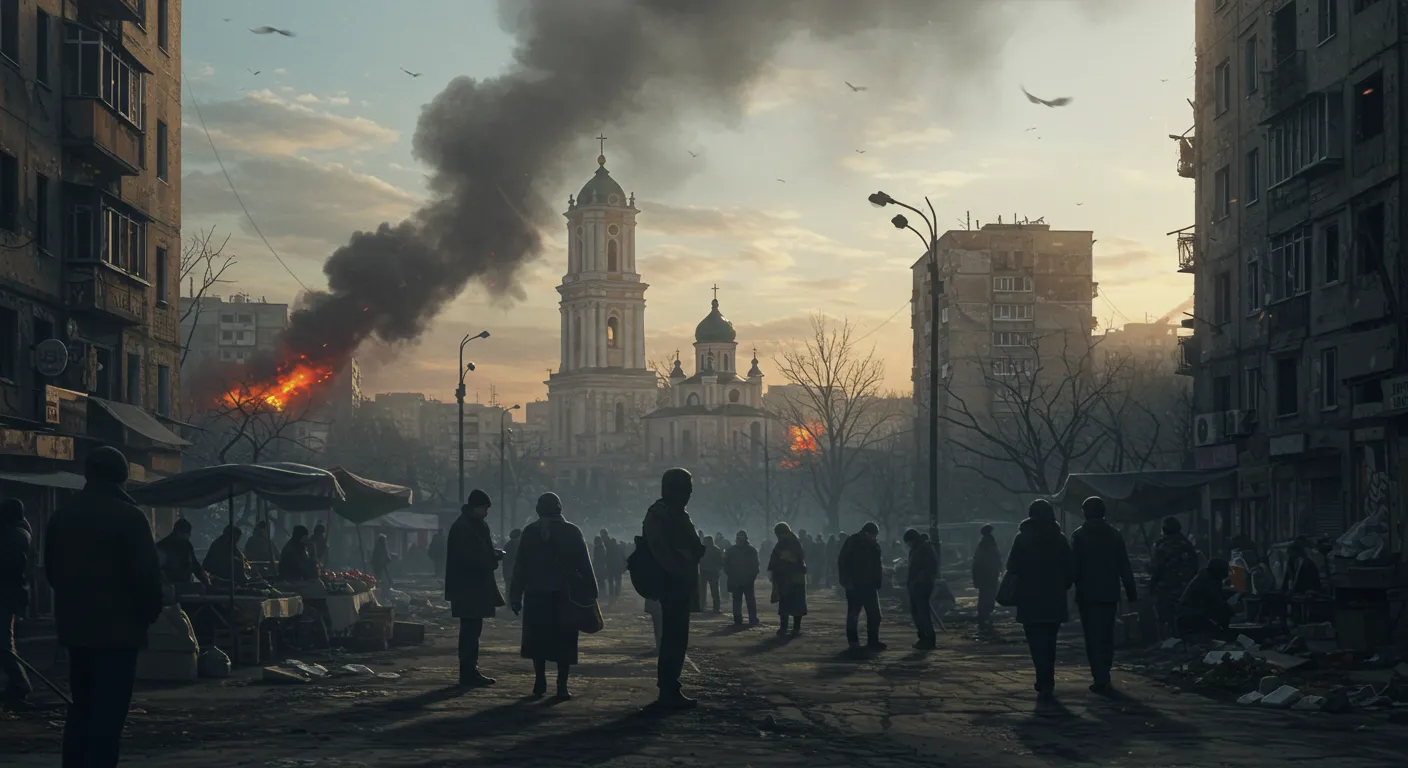
You see the impact not just in the numbers, but in the stories that emerge. In Kharkiv, entire apartment blocks are left in ruins. Emergency workers and neighbors scramble to save lives, sometimes with nothing more than buckets of water and bare hands. The fear and uncertainty are not confined to one city. As one resident puts it:
"The overnight barrage reached cities you don’t usually see in the headlines. The fear spreads across the map."
Research shows that Russia’s air war has intensified nationwide, making air defense a constant challenge. The unpredictability and scale of these attacks reinforce the sense that nowhere is truly safe. In Dnipropetrovsk, two people are wounded as missiles strike residential areas. Odesa and Ternopil also report infrastructure damage and civilian injuries. These wounds echo far beyond Kharkiv, as the frontlines expand and the civilian toll mounts.
The Russian Defense Ministry claims its targets are strictly military—ammunition depots, drone workshops, weapon repair stations. Yet, the reality on the ground tells a different story. Ukrainian officials emphasize the growing number of civilian casualties and the destruction of homes, schools, and hospitals. The Russian MoD, for its part, does not acknowledge civilian deaths in its public statements, focusing instead on the supposed destruction of Ukrainian military assets.
This multi-front assault appears designed to stretch Ukrainian defenses thin. By hitting multiple regions simultaneously, Russian forces hope to overwhelm air defense systems and create new vulnerabilities. Studies indicate that this approach has made it harder for Ukraine to protect its population, even as international support—such as promises of drone deliveries from Britain—continues.
The fallout is not limited to Ukraine. On the Russian side, officials report intercepting 36 Ukrainian drones targeting southern and western regions. In Moscow’s suburbs, falling drone debris injures two civilians, highlighting how the conflict’s reach is expanding in unexpected ways.
As the strikes continue, you see the lines between military and civilian targets blur. The humanitarian crisis deepens, with more casualties and damaged infrastructure reported each day. The unpredictability of these military strikes across Eastern Ukraine leaves communities on edge, their daily lives shaped by the constant threat from above.
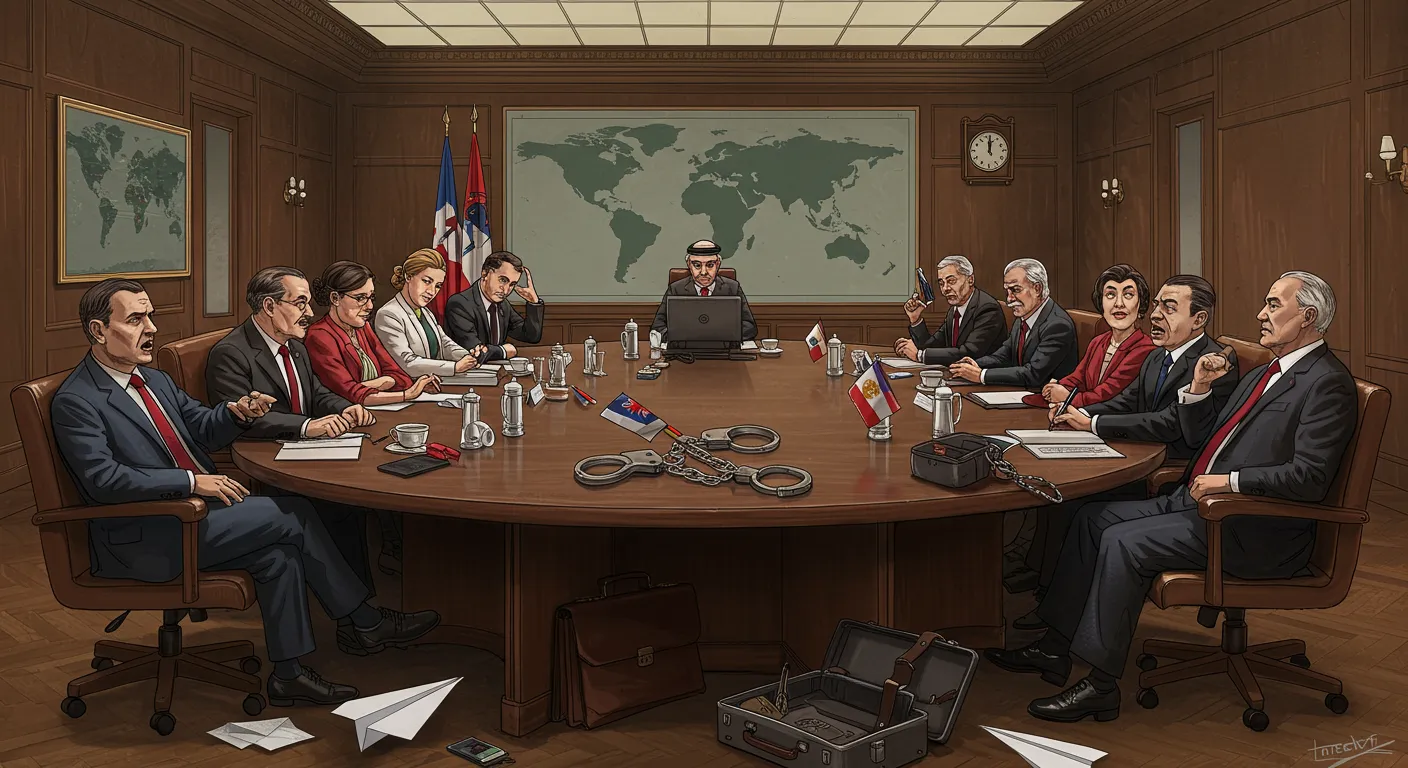
How (Not) to Make Peace: Diplomatic Deadlocks and Prisoner Swaps Gone Awry
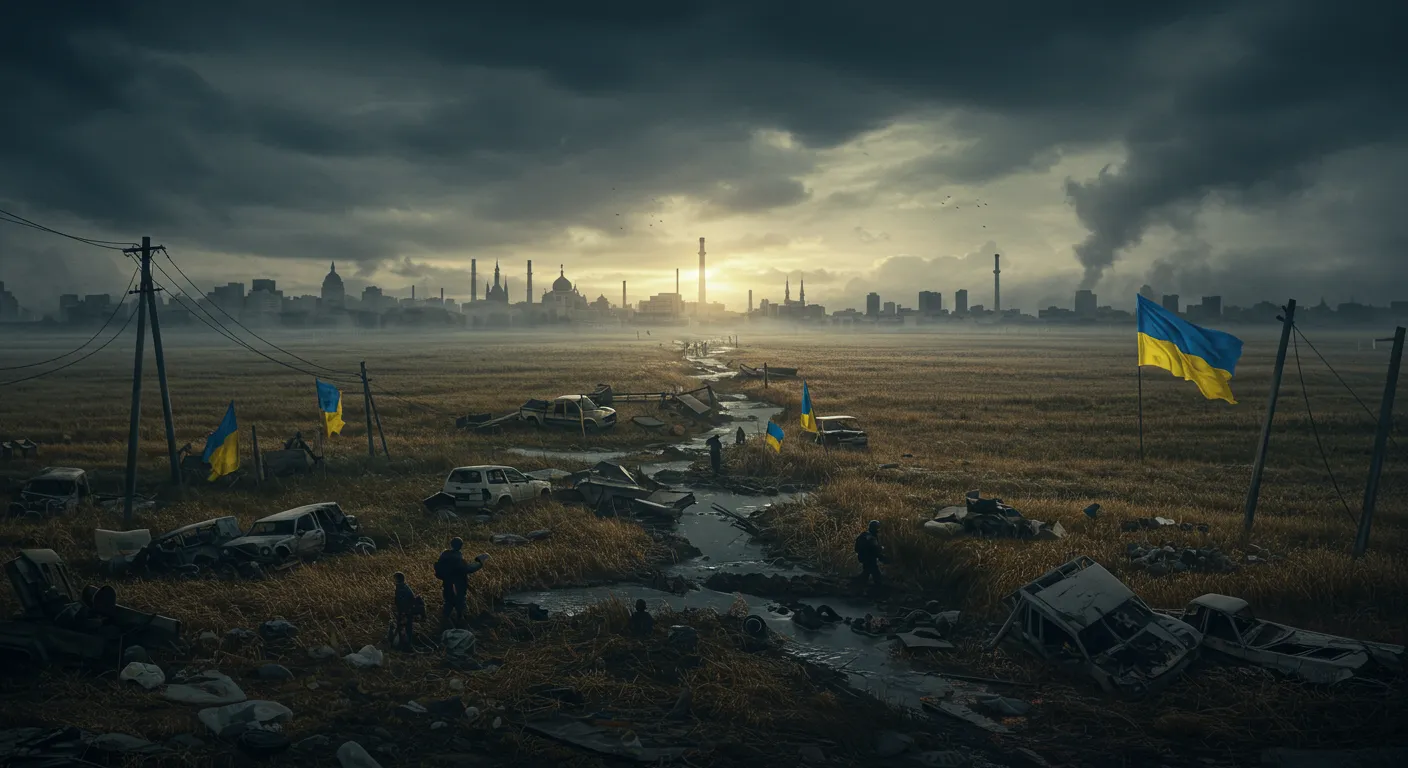
On June 7, 2025, as Kharkiv reeled from the most powerful attack since Russia’s full-scale invasion began, the search for peace between Russia and Ukraine seemed more elusive than ever. Despite the devastation—215 missiles and drones raining down, dozens wounded, and entire neighborhoods in ruins—direct peace talks between the two countries failed to yield any real progress. The core political developments remain unchanged: both sides are entrenched, with fundamental terms still irreconcilable.
In the midst of this humanitarian crisis, you witness a rare glimmer of cooperation—a prisoner exchange in Istanbul, where 1,000 prisoners from each side were swapped. It’s a practical outcome in a sea of stalled negotiations, yet even this moment is overshadowed by deep mistrust. Research shows that such exchanges, while symbolic, are often fraught with suspicion and manipulation.
But the real test of diplomacy came with the attempted agreement to repatriate the bodies of fallen soldiers. Russia and Ukraine had reportedly settled on a plan to return 6,000 bodies, a gesture meant to offer closure to grieving families. Instead, the process unraveled in a tangle of accusations and logistical nightmares. Moscow claimed that Kyiv abruptly halted the swap, even as refrigerated trucks carrying over 1,200 Ukrainian bodies waited at the border. Ukrainian officials countered, saying Russia had failed to provide accurate lists and had not set a clear date. The main Ukrainian agency responsible for exchanges accused Moscow of “dirty games,” submitting lists that didn’t match the agreements.
“You think it’d be simple: bodies for bodies, but nothing about war is straightforward—not even closure.” – (Invented quote, Red Cross observer)
The surreal logistics of war are on full display: refrigerated trucks idling at border crossings, paperwork that doesn’t match the names of the dead, and human dignity lost in the shuffle. Families on both sides are left in limbo, their suffering compounded by bureaucracy and misinformation. The breakdown over the body repatriation agreement—just 1,200 bodies delivered out of 6,000 intended—underscores how even the most basic humanitarian gestures are marred by mistrust and political gamesmanship.
Meanwhile, the violence continues unabated. The day before, Russian strikes across six Ukrainian regions killed at least six people and wounded around 80. In Kharkiv alone, you see the aftermath: burning buildings, neighbors forming bucket brigades, and rescuers searching for survivors beneath rubble. The humanitarian crisis grows deeper, with diplomatic efforts showing little promise of relief.
As the war drags on, the anatomy of escalation is clear. Political developments remain stalled, prisoner exchanges are rare and fraught, and the suffering of ordinary people is magnified by every failed negotiation.
New Tactics, New Tech: The Shifting Military Chessboard
On June 7, 2025, you witnessed a dramatic escalation in the Russia-Ukraine war as Russian forces unleashed a fierce barrage of missiles and drones on Kharkiv. This was not just another attack—it marked a turning point in both military tactics and technology, with both sides adapting rapidly to the changing battlefield. The offensive, which saw 215 missiles and drones launched overnight, left at least four dead and dozens wounded, according to Ukrainian officials. Kharkiv’s mayor, Ihor Terekhov, called it “the most powerful attack” on the city since the invasion began.
Russia’s new approach is clear. Larger infantry squads, rapid vehicle advances, and massive air raids now define their operations. The morning’s assault alone involved three missiles, five aerial glide bombs, and 48 drones, damaging 18 apartment buildings and 13 private homes. The human cost is evident in stories like that of Alina Belous, who described neighbors and emergency workers using buckets of water to save a young girl from a burning building. Vadym Ihnachenko’s account of sparks raining down on his home adds to the sense of chaos and fear gripping Kharkiv’s residents.
As Russian forces intensify their ground and air campaigns, Ukraine is shifting its own military operations. You see this in the bold use of drone technology. Just days before, Ukraine’s Security Service released footage of its FPV drone attack—dubbed “Operation Spiderweb”—on Russian airfields, claiming the destruction of 41 Russian military aircraft. These drone attacks are not isolated incidents; they are now central to Ukrainian military strategy, undermining traditional Russian defenses and forcing Moscow to adapt.
The Russian Defense Ministry insists its strikes target military assets—ammunition depots, drone assembly workshops, and repair stations. Yet, the civilian toll in Kharkiv and other regions tells a different story. The humanitarian crisis deepens as air raids become more frequent and destructive. Research shows that drone warfare is reshaping the battlefield, escalating risks for both sides and making civilian areas increasingly vulnerable.
International military assistance is also shifting the dynamics. Britain’s recent pledge to deliver 100,000 drones to Ukraine in 2025 underscores the growing role of foreign support in sustaining Ukrainian resistance. This move has drawn sharp criticism from Moscow, which accuses Western powers of fueling the conflict and aiding Ukraine’s drone operations. The British commitment highlights how military assistance and advanced drone technology are now pivotal in the ongoing war.
“Drones have become both the eyes and the daggers of this war, flipping expectations on their head.” – Military analyst
As both Russia and Ukraine adapt, the tempo of the conflict is increasingly set by drone attacks and rapid technological shifts. The chessboard is changing, and future battles may hinge on who can innovate—and receive support—fastest.
Through the Rubble: What Casualties and Destruction Fail to Show
On June 7, 2025, Kharkiv became the latest symbol of the war’s relentless toll on civilian life. The numbers are stark—at least four killed, more than two dozen wounded, 18 apartment buildings and 13 private homes destroyed. Yet, as you walk through the battered streets or listen to the voices of survivors, it becomes clear that these figures only scratch the surface of the true Civilian Impact.
You hear stories like that of Alina Belous, who joined neighbors and emergency workers, desperately carrying buckets of water to save a young girl trapped in a burning home. Or Vadym Ihnachenko, who watched in disbelief as his own building caught fire, sparks raining down from above. These Human Stories reveal the deeper trauma running through Ukrainian society—a trauma that no Damage Assessment can fully capture.
The destruction is not just physical. Every ruined building erases decades of memory; every wounded child redefines a neighborhood’s future. As Kharkiv’s mayor described this as “the most powerful attack” since the start of the full-scale invasion, you see how the Humanitarian Crisis deepens. Families are displaced, survivors search for hope, and basic infrastructure reels from repeated blows. Up to six people remain trapped beneath industrial rubble, with rescuers losing contact as the hours drag on. Among the wounded are two children—a baby boy and a 14-year-old girl—whose futures are now marked by scars both seen and unseen.
Elsewhere, the violence spreads. Dnipropetrovsk, Donetsk, Odesa, and Ternopil all report attacks. Ukrainian air defenses intercept dozens of drones and missiles, but the scale of destruction grows. The headlines may count the dead and wounded, but research shows the socio-emotional consequences of war outstrip what numbers can convey. These are not just statistics—they are daily lives interrupted, identities lost, and futures thrown into flux.
The humanitarian crisis is compounded by stalled peace efforts and mutual accusations over prisoner and body exchanges. Even as Ukraine mounts its own drone attacks on Russian airfields, the cycle of escalation continues, with no resolution in sight. International support, like Britain’s pledge of 100,000 drones, underscores the conflict’s global reach, but for those on the ground, the struggle is personal and immediate.
'A bombed room doesn’t just end a meal—it ends every birthday, every quiet evening.' – Kharkiv teacher
In the end, the anatomy of escalation is written not just in military strategies or diplomatic standoffs, but in the fractured routines and lost futures of ordinary people. The true cost of this war, as you witness in Kharkiv and beyond, lies in the stories that numbers fail to show.
