


It’s not every day that tragedy lands so close to home, but the news out of Boulder this week had me glancing anxiously at my neighborhood streets. When I first heard about the attack at the Pearl Street Mall—a familiar place where I’ve walked countless times—I felt that peculiar jolt of surreality. In news cycles overloaded with statistics, this incident cut through, leaving a bruise on the community’s sense of normalcy and belonging. Let’s step aside from the headlines for a moment and dig into the bigger implications surrounding the Boulder attack, ICE detentions, and what they might mean for the rest of us.
Chaos on Pearl Street: Inside the Boulder Attack
The heart of Boulder, Colorado, was shattered on a Sunday afternoon in June 2025, as the weekly Run for Their Lives event turned into a scene of terror. What began as a peaceful march to raise awareness for Israeli hostages quickly descended into chaos. The attack, now widely known as the Boulder Attack , left a lasting mark on the city and exposed the rising threat of hate crime fueled by international tensions.
I was there on Pearl Street Mall, where the crowd—many wearing blue and white, some holding signs—had gathered as they had every week for over a year. The air was tense but hopeful, the kind of energy you expect at a demonstration meant to shine a light on global suffering. Suddenly, that hope was shattered. Out of nowhere, flames erupted. Shouts turned to screams. The acrid smell of burning fuel filled the air. People ran in every direction, desperate to escape the inferno that had engulfed the march.
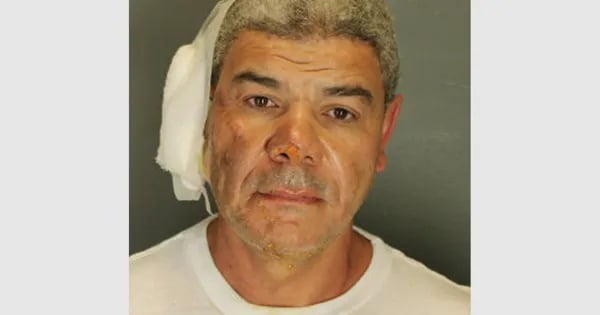
Witnesses, including myself, saw a man later identified as Mohamed Soliman , a 45-year-old Egyptian national, hurling Molotov cocktails into the crowd. He wielded what police described as a "makeshift flamethrower," sending fire arcing through the mass of people. The panic was immediate and overwhelming. As the flames spread, Soliman reportedly shouted, " Free Palestine !" and " End Zionist !"—his words echoing over the chaos, unmistakably linking the attack to the ongoing Israeli-Palestinian conflict.
In the aftermath, the scale of the devastation became clear. Twelve people were injured, some with severe burns. Among them was an 88-year-old Holocaust survivor, a detail that struck a chilling chord with many in the community. The symbolism of such an attack—targeting a pro-Israel group, injuring a Holocaust survivor, and invoking slogans from a distant conflict—was not lost on anyone present. As Rebecca Cohen, one of the event participants, told me,
"It was chaos—smoke, shouting, people burning. I’ve never been so terrified."
Authorities responded swiftly. Boulder police and the FBI quickly secured the scene, treating it as both an act of terrorism and a hate crime . Research shows that hate crimes related to Middle Eastern conflicts have been on the rise in the United States, and this attack seemed to fit that troubling pattern. The Run for Their Lives group, which had marched peacefully for over a year, suddenly found itself at the center of a national conversation about extremism, immigration, and the reach of global conflicts into American streets.
Soliman was apprehended at the scene. According to the Department of Homeland Security, he had arrived in California in 2022 on a non-immigrant visa that expired in 2023. He filed for asylum, but his legal status was in limbo. In the wake of the attack, his family—his wife and children—were detained by ICE and set for expedited removal, a process that allows for swift deportation without a court hearing. DHS Secretary Kristi Noem publicly called Soliman an "illegal alien" and a "terrorist," emphasizing the gravity of the charges: multiple counts of attempted murder and a federal hate crimes charge.
Investigators are now probing whether Soliman’s family had any knowledge of or involvement in the attack. The FBI searched their Colorado Springs home, but so far, officials say the family has been cooperative. After Soliman’s arrest, his wife brought his iPhone to the Colorado Springs Police Department, a move that authorities noted in their ongoing investigation.
The Boulder Attack has left deep scars, both physical and emotional. The sight of flames tearing through a crowd, the sound of political slogans shouted over the cries for help—these are not images that fade quickly. For many, the attack is a stark reminder of how international conflicts can ignite violence far from the front lines. The use of Molotov cocktails and a makeshift flamethrower at a peaceful march is a chilling escalation, one that has forced Boulder and the nation to confront the reality of hate crime and the dangers of imported extremism.
As the investigation continues and Soliman awaits his day in federal court, the community is left to pick up the pieces. The Run for Their Lives group has vowed to continue its weekly marches, undeterred by the violence. But the shadow of that day on Pearl Street lingers—a stark warning of how quickly peace can turn to chaos when hate is given fuel.
Investigating Motives and Unpacking the Aftershocks
The aftermath of the Boulder attack has cast a long shadow over the city, as authorities work to piece together the motives behind Mohamed Soliman’s actions and the potential involvement of his family. As the investigation unfolds, the focus remains sharply on Soliman’s immigration status, his asylum application, and the rapid steps taken by federal agencies to address the fallout. The case has reignited debates around hate crimes, counterterrorism, and the broader immigration process in the United States.
Mohamed Soliman: Immigration Status and Background
Mohamed Soliman, a 45-year-old Egyptian national, entered the U.S. through California in 2022 on a non-immigrant visa. According to Department of Homeland Security (DHS) statements, his visa expired in 2023, and he subsequently filed an asylum application. Despite this application, Soliman remained in the country without valid documentation, living with his wife and children in Colorado Springs. This detail has become central to the investigation, as authorities examine both his legal status and his family’s circumstances.
- 2022: Soliman arrives in California
- 2023: Visa expires
- 6: Family members (wife, children) detained by ICE
ICE Custody and Expedited Removal
Shortly after Soliman’s arrest, DHS Secretary Kristi Noem announced via X that his family had been detained by Immigration and Customs Enforcement (ICE). The six family members—his wife and children—were taken into ICE custody and are now set for expedited removal. This process allows the government to deport migrants in the U.S. illegally without a court hearing, fast-tracking the immigration process in cases deemed urgent or high-profile.
A DHS official confirmed that the family is being processed under these expedited removal procedures, underscoring how immigration status and familial ties have become central to the ongoing investigation. The move has sparked renewed scrutiny of how federal agencies handle families connected to suspects in terrorism and hate crime cases.
FBI Investigation : Probing Knowledge and Involvement
The FBI, led by Denver Special Agent in Charge Mike Michalek, has been actively involved in the investigation. Agents searched the Soliman family’s Colorado Springs home the morning after the attack. According to Michalek, the family has been cooperative so far. Notably, after Soliman’s arrest, his wife brought his iPhone to the Colorado Springs Police Department—a gesture that authorities say is part of their ongoing probe into whether the family had prior knowledge of, or involvement in, the attack.
DHS Secretary Kristi Noem emphasized the seriousness of this line of inquiry, stating:
"We are investigating to what extent his family knew about this heinous attack... Justice will be served."
This statement, shared widely on social media, highlights the gravity with which federal officials are treating the possibility of familial complicity or support networks. The FBI investigation is not only focused on Soliman’s individual motives but also on any potential broader connections or support systems that may have played a role.
Heightened Tensions and National Debate
The attack itself, described by authorities as both an act of terrorism and a hate crime, has reverberated far beyond Boulder. Soliman is accused of using Molotov cocktails and a makeshift flamethrower during a pro-Israel demonstration, injuring 12 people—including an 88-year-old Holocaust survivor. Witnesses reported hearing him shout “Free Palestine” and “End Zionist” during the assault, adding a volatile political dimension to the case.
Research shows that incidents like this often bring fresh scrutiny to the intersection of hate crimes, counterterrorism, and immigration policy. The expedited removal of Soliman’s family, coupled with the ongoing FBI investigation, has fueled debate over how the U.S. should handle similar cases in the future. The fact that Soliman had an active asylum application but was living with expired documentation further complicates the narrative, raising questions about gaps in the immigration process and the challenges of monitoring individuals flagged by authorities.
As the investigation continues, the focus remains on unraveling the full scope of Soliman’s motives and determining whether his family or any other individuals provided support or had foreknowledge of the attack. The aftershocks of this incident are likely to influence policy discussions and law enforcement strategies for months to come.
Community Reverberations and the Search for Meaning
In the days following the Boulder Attack, the city’s usual calm was replaced by a mix of fear, anger, and resilience. The attack on the weekly Run for Their Lives event, which left a dozen people injured, has shaken Boulder to its core. Yet, as I walked through Pearl Street Mall and watched the community gather, it was clear that the city was not going to let hate define its future.
The immediate response was raw and emotional. Vigils sprang up almost overnight—candles, flowers, and handwritten notes lining the courthouse steps where the violence erupted. People came together not just to mourn, but to support the survivors and reaffirm the mission of Run for Their Lives . The group, which has been meeting every week for over a year to raise awareness for Israeli hostages, vowed to continue their gatherings. Their determination was summed up by organizer Sarah Mendel, who told the crowd,
"We won’t hide, and we won’t stop running for those who can’t."
But the Boulder Attack did more than disrupt a peaceful demonstration. It thrust the city into the national spotlight, igniting heated debates across social media and in public forums. Conversations about hate crime, immigration, and community safety have become unavoidable. The suspect, Mohamed Soliman, an Egyptian national, is now facing federal hate crime charges. His family’s detention by ICE and the expedited removal process have only intensified the discussions, drawing in voices from across the political spectrum.
As the investigation unfolded, Department of Homeland Security Secretary Kristi Noem called Soliman an “illegal alien” and a “terrorist,” promising that justice would be served. The FBI’s involvement and the search of the family’s home in Colorado Springs added another layer of tension. Yet, even as authorities probe the extent of the family’s knowledge or involvement, the Boulder community has largely focused on healing and solidarity.
Research shows that communities often rally together in the aftermath of hate crimes, and Boulder is no exception. The outpouring of support for Run for Their Lives has been overwhelming. Social media channels are filled with messages of solidarity, calls for policy change, and demands for greater protection of peaceful protests. Local leaders and residents alike have made it clear: violence will not silence their voices.
Still, the attack has forced Boulder to confront difficult questions. Is the city as open and safe as it once believed? What more can be done to prevent hate crimes? And how should immigration policy intersect with public safety? These are not easy questions, and the answers remain elusive. What’s certain is that the Boulder Attack has become a flashpoint in a much larger national conversation about hate, extremism, and the rights of communities to gather and speak freely.
The weekly Run for Their Lives events have become more than just a protest—they are now a symbol of Boulder’s refusal to be cowed by violence. Each gathering is an act of defiance and remembrance, a way to honor those affected and to push back against the fear that hate crimes are meant to instill. As one participant told me, “We’re running for hope, not just for hostages.”
National media coverage has ensured that Boulder’s struggle is not happening in isolation. The city’s response is being watched closely, with many seeing it as a test of how American communities can respond to hate crimes without losing their sense of openness and safety. The debates about security, immigration, and freedom to protest are likely to continue, both here and across the country.
In the end, the aftermath of the Boulder Attack is still unfolding. But one thing is clear: the community’s response has been marked by courage, compassion, and an unwavering commitment to its values. The search for meaning continues, but Boulder’s message to the nation is unmistakable—hate will not have the last word.
