
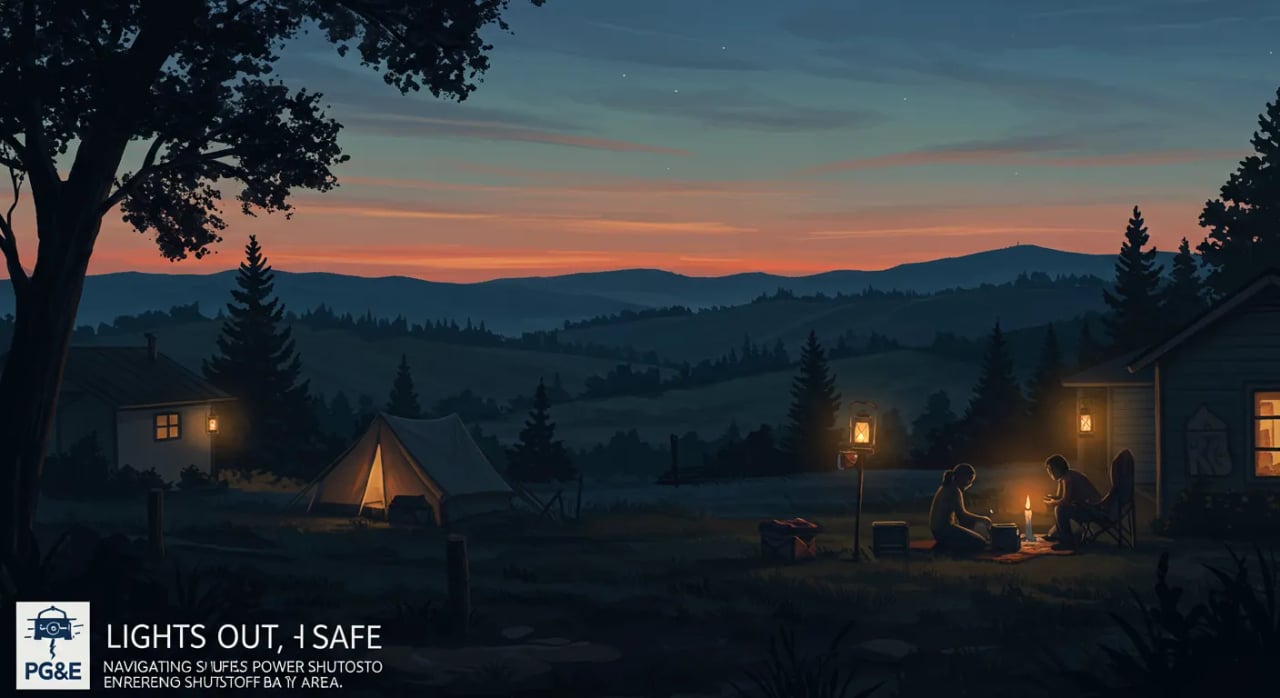

I’ll never forget the surprise blackout in my old Oakland apartment—a friend had texted, 'Check your fridge, PG&E’s about to shut us down!' Sure enough, just as I started boiling water for tea, bam—darkness. Today, public safety power shutoffs aren’t just rumors; they're critical tactics in California's attempt to dodge catastrophic wildfires. But how does it feel when the power grid goes dark by design—and what real stakes are at play when nature and neighborhood collide?
When the Lights Flicker: The Reality of Power Shutoffs in Alameda, Contra Costa, and Santa Clara
If you’ve ever found yourself gathering around a table lit by the soft glow of candles, you know the strange mix of inconvenience and intimacy that comes with a sudden power outage. For many in the Bay Area, those unplanned family dinners—complete with flickering shadows and hurried searches for flashlights —are becoming a familiar scene. This week, the reality of planned power shutoffs is once again front and center, as PG&E initiates Public Safety Power Shutoffs (PSPS) across Alameda, Contra Costa, and Santa Clara counties.
The Alameda Contra Costa Santa Clara outages began early Thursday, with the first wave hitting neighborhoods near the Concord Pavilion. By midday, the reach had spread to areas around Tracy and Livermore. According to PG&E’s latest Public Safety Power Shutoff details , the outages are expected to stretch through Saturday—possibly even longer if dry and windy conditions persist.
Targeted Disruptions: A New Approach to Power Shutoffs
If you remember the sweeping blackouts of previous years, you might be surprised to learn that this time, the approach is far more surgical. Instead of shutting down entire cities or regions, PG&E is focusing on specific neighborhoods most at risk. The numbers tell the story: about 650 customers in Alameda County, 275 in Contra Costa, and 50 in Santa Clara are currently affected. That’s roughly 1,000 customers in total—a fraction compared to the tens of thousands who lost power in past events.
This shift is no accident. Research shows that targeted shutoffs can significantly reduce the impact of power shutoffs on customers while still addressing wildfire risk. PG&E’s spokesperson, Tamar Sarkissian, explained the rationale:
“So if we see enough of those factors come together, we will turn off the power proactively.”
Those factors? It’s a familiar trio: dry conditions, high winds, and an abundance of vegetation on the ground. The combination creates a tinderbox scenario, especially in the East Bay hills and the slopes around Livermore and Tracy. With wind gusts forecasted to reach up to 50 mph and humidity levels plummeting, the risk of a spark turning into a wildfire is simply too high to ignore.
Where the Lights Are Out: Current Impacted Areas
- East Bay: Outages started near the Concord Pavilion, with additional interruptions reported in surrounding neighborhoods.
- Tracy and Livermore: Service interruptions have expanded to these communities, with updates posted regularly on PG&E’s outage map.
- Santa Clara County: While only about 50 customers are affected, the area remains under close watch as weather conditions evolve.
If you live in one of these areas, you’ve likely received a notification from PG&E. That’s another key change this year: public shutoff notifications are supplied ahead of time where possible , giving residents a chance to prepare. You might have stocked up on batteries , filled your gas tank, or double-checked your emergency kit . The goal is to minimize surprises and help you stay safe, even when the lights go out.
Why These Shutoffs Happen: The Wildfire Connection
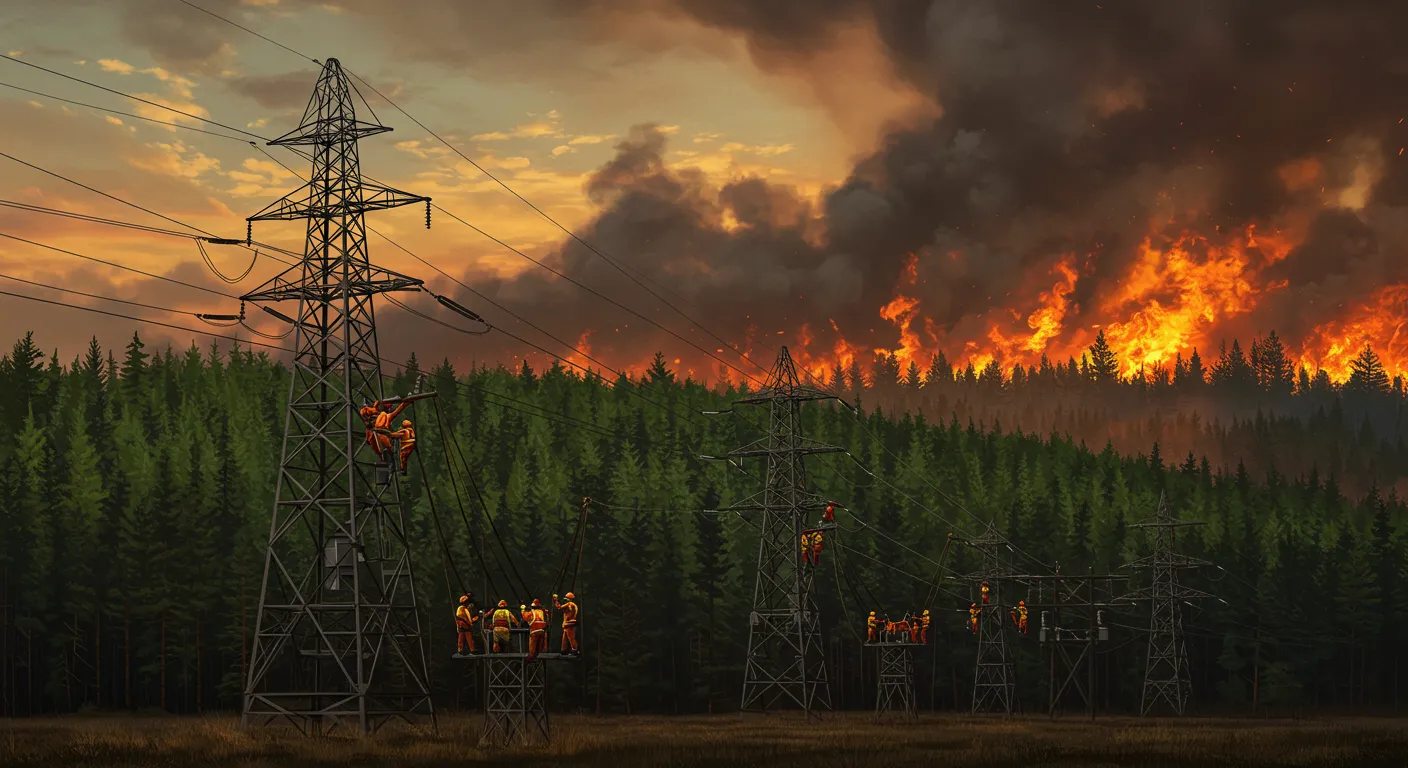
The planned power shutoffs aren’t just about inconvenience—they’re about prevention. Studies indicate that electrical equipment can spark devastating wildfires when weather conditions turn dangerous. By cutting power before winds pick up, PG&E aims to prevent the kind of catastrophic blazes that have scarred California in recent years.
Still, the impact of power shutoffs on customers is real. Businesses lose revenue, refrigerated food spoils, and daily routines are disrupted. For vulnerable residents—those who rely on medical devices or have mobility challenges—the stakes are even higher. PG&E says it’s working to provide support and resources, but the reality is that every outage brings its own set of challenges.
Staying Informed and Prepared
If you’re wondering whether your address is in the path of a shutoff, PG&E’s website offers an interactive outage map and regular updates. The utility company urges all customers in affected counties—Alameda, Contra Costa, and Santa Clara—to stay alert for notifications and to have emergency supplies on hand.
As the Bay Area braces for another round of Public Safety Power Shutoff events, the message is clear: when the lights flicker, it’s not just about inconvenience. It’s about safety, prevention, and adapting to a new normal in wildfire-prone California.

Wildfire Prevention by Switch: How Power Shutoffs Work (and When They Don’t)
If you live in the Bay Area, you know wildfire season isn’t just a headline—it’s a reality. Each year, as the hills turn golden and the wind picks up, the threat of fire grows. That’s when PG&E’s wildfire prevention measures move from theory to practice. The utility’s Public Safety Power Shutoff (PSPS) program is designed to keep communities safe, but it comes with its own set of challenges and questions. Here’s how these power shutoffs work, what triggers them, and why sometimes, even the best plans aren’t enough.
High Fire Danger Means Power Down
The logic is simple: when fire danger spikes, the power goes off. PG&E’s wildfire safety protocols are clear about this. Outages are triggered by a combination of factors—most notably, wind gusts that can reach up to 50 mph and humidity levels that drop dangerously low. These conditions make it easy for a spark to become a fast-moving wildfire. Research shows that dry and windy weather, especially in late summer and early fall, is when the risk is highest.
PG&E spokesperson Tamar Sarkissian puts it plainly:
“Things like dry conditions, windy conditions, vegetation on the ground that make us really concerned about the possibility of a catastrophic wildfire.”
If enough of these risk factors come together, PG&E will proactively turn off the power—even if that means inconvenience for thousands of customers.
What Triggers a Shutoff?
It’s not just about the weather forecast. PG&E analyzes a mix of hyper-local weather trends, the amount of vegetation on the ground, and real-time data from their network of weather stations. The company’s wildfire prevention measures rely on this constant monitoring. If the data points to a high risk, the decision to cut power is made quickly.
- Wind Gusts: Outages are most likely when gusts hit 50 mph or more.
- Low Humidity: Dry air means vegetation is more flammable.
- Vegetation Load: The more dry brush and grass, the higher the risk.
- Local Trends: Microclimates in the Bay Area can mean one neighborhood is at risk while another is not.
These are the factors that drive PG&E’s decisions. In 2025, the list of counties on alert isn’t just limited to Alameda, Contra Costa, and Santa Clara. If conditions warrant, areas like Fresno, San Joaquin, and more could also see outages.
PG&E Outage Map and Updates: Staying Informed
When a shutoff is on the horizon, PG&E deploys its safety protocols and updates its outage map in real time. The PG&E outage map and updates page is your best friend during these events. It shows live polygons of affected areas, lets you check your address, and provides estimated restoration times. Sometimes, the advance notice is only a few hours, but the company aims to alert customers as early as possible.
- Sign up for PG&E alerts to get notifications about potential shutoffs.
- Check the outage map frequently, especially during red flag warnings.
- Prepare emergency supplies in advance—don’t wait for the lights to go out.
The goal is to minimize surprises, but as many residents know, communication can be hit or miss. Sometimes, the power goes out before you get the alert. Other times, you might get a warning, but the outage never happens. It’s an imperfect system, but it’s designed with safety in mind.
When the Switch Doesn’t Prevent Disaster
Despite the best intentions, power shutoffs aren’t a silver bullet. There have been cases where fires still break out, even after the grid goes dark. Sometimes, the conditions change too quickly for PG&E to respond. Other times, the cause of a fire isn’t even related to power lines. That’s why these wildfire prevention measures are considered a last resort, not a guarantee.
Still, studies indicate that these shutoffs have reduced the number of catastrophic wildfires sparked by utility equipment. The trade-off? Disrupted lives, spoiled food, and a community left in the dark—literally and figuratively.
2025: A Wider Net for Wildfire Safety Protocols
Looking ahead, the list of counties facing possible shutoffs is growing. In 2025, PG&E’s fire danger conditions Bay Area 2025 protocols could impact more than a dozen counties, including regions far beyond the Bay Area’s core. The company says this is about being proactive, not reactive.
If you’re in an at-risk area, the message is clear: stay prepared, stay informed, and know that when the wind picks up and the air dries out, the lights might go out—but it’s all in the name of keeping your community safe.
Preparing for the Next Blackout: Practical and Emotional Survival Tips
As the Bay Area braces for another round of Public Safety Power Shutoffs, you might be feeling a mix of frustration and anxiety. PG&E’s latest power shutoff notifications warn residents in Alameda, Contra Costa, and Santa Clara counties to prepare for outages that could last through the weekend. The reason? High winds and dry conditions—prime ingredients for wildfire risk. While these measures are designed to keep communities safe, they can leave you quite literally in the dark. But with the right preparation, both practical and emotional, you can weather the blackout with confidence—and maybe even a little camaraderie.
First, let’s talk about the essentials. PG&E and local safety officials urge you to start with a blackout checklist. Flashlights, extra batteries, fully charged power banks , and ice packs for your fridge are must-haves. Don’t forget a manual can opener and enough non-perishable food to last a few days. If you rely on medical devices that need electricity, make sure you have a backup plan in place. And yes, patience belongs on the list, too. Research shows that preparedness lessens the burden of power shutoffs; information and supplies make all the difference when the lights go out.
You’ll want to stay informed. PG&E recommends monitoring their outage map and signing up for text alerts. These power shutoff notifications can give you a crucial head start, but don’t assume they’ll cover every scenario. Sometimes, outages arrive with little warning. That’s why it’s important to check the PG&E website regularly and be your own scout—especially if you live in a high-risk area or run a business that can’t afford to be caught off guard.
But there’s more to surviving a blackout than just ticking off items on a checklist. There’s the emotional side, too. The sudden loss of power can be unsettling, especially if you’re used to being constantly connected. Yet, these moments also have a way of bringing people together. One neighbor in the East Bay described the experience this way:
'Blackouts are a strange bonding experience; the whole street ends up grilling together.'When the lights go out, impromptu block parties and old-school board games can turn inconvenience into a quirky celebration. Some neighbors even turn it into a friendly competition—who can whip up the best candlelit dinner with whatever’s left in the fridge?
Of course, not every moment is a party. There’s the initial scramble to find a working flashlight, the worry about spoiled food, and the challenge of keeping kids entertained without screens. But these unscripted moments can also be surprisingly meaningful. You might find yourself having real conversations with family or neighbors, or simply enjoying the quiet that comes when the hum of appliances fades away. It’s a chance to unplug from the grid—and maybe from the anxiety that comes with it.
For businesses, the stakes are higher. Emergency preparation is critical, especially for those who depend on refrigeration, security systems, or sensitive equipment. Advance alerts help, but as many have learned, surprises happen. Having a plan for customer support during power outages—whether that’s clear signage, backup lighting, or a way to communicate with clients—can make a huge difference in how your business weathers the storm.
Ultimately, preparing for a PG&E power shutoff is about more than just getting through the night. It’s about building resilience, both as individuals and as a community. The next blackout might be inconvenient, but it doesn’t have to be isolating. With a little planning and a willingness to embrace the unexpected, you can turn a challenging situation into an opportunity for connection—and maybe even a little fun.
So as you check your supplies and scan the outage map, remember: you’re not alone. The Bay Area has weathered these challenges before, and with each event, residents find new ways to adapt. Stay informed, stay prepared, and don’t be afraid to reach out to neighbors. Sometimes, the best survival tip is simply to share a meal by candlelight and remember that, in the face of uncertainty, community is your greatest resource.
