
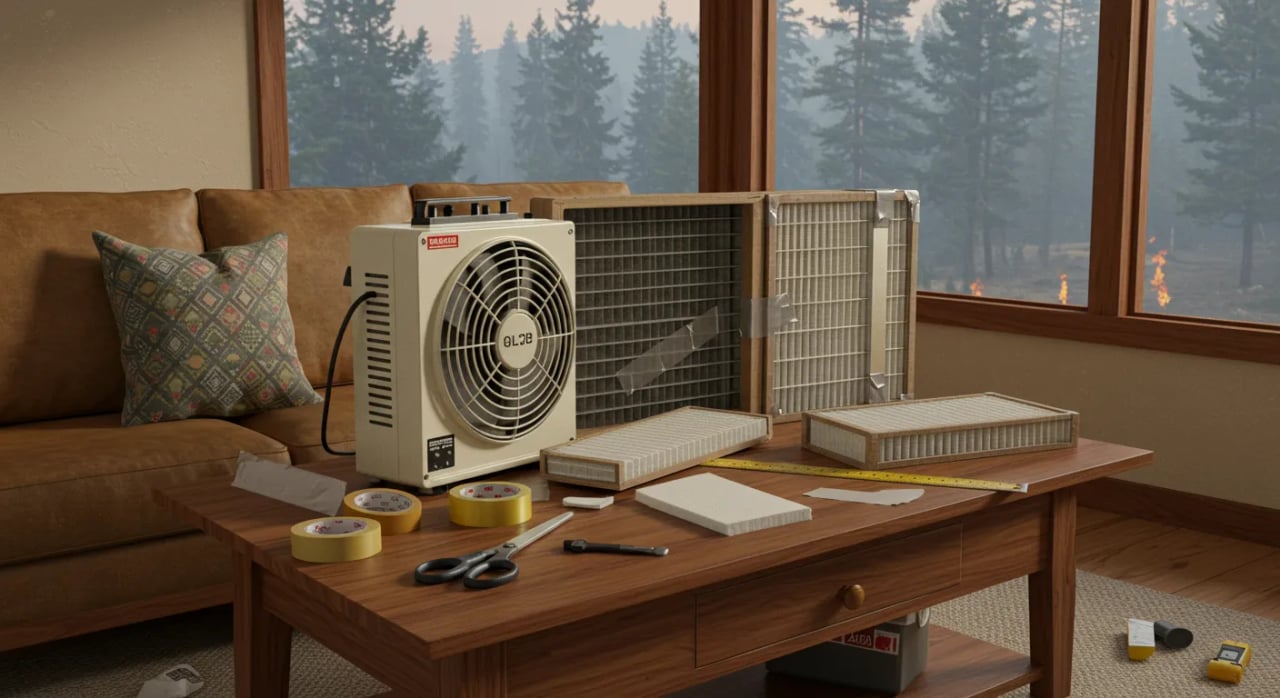


Let me paint a picture: it’s August, and you’re sitting at home, curtain drawn, when suddenly the world outside disappears in a blur of brown-grey haze. Last summer, I watched birds vanish from my feeder as wildfire smoke crept through every crack. My first instinct? Google ‘best air purifier.’ My second? Panic when every store was sold out. That’s what led me down the rabbit hole of making my own air filter — with surprisingly good results. If you’ve ever been stuck inside with toxic air, you’ll know that the need for clean air isn’t abstract — it’s deeply personal. This guide, backed by science and hard-earned trial and error, is for every improvised problem solver out there.
When Wildfire Smoke Knocks: Realities, Risks, and Oddball Solutions
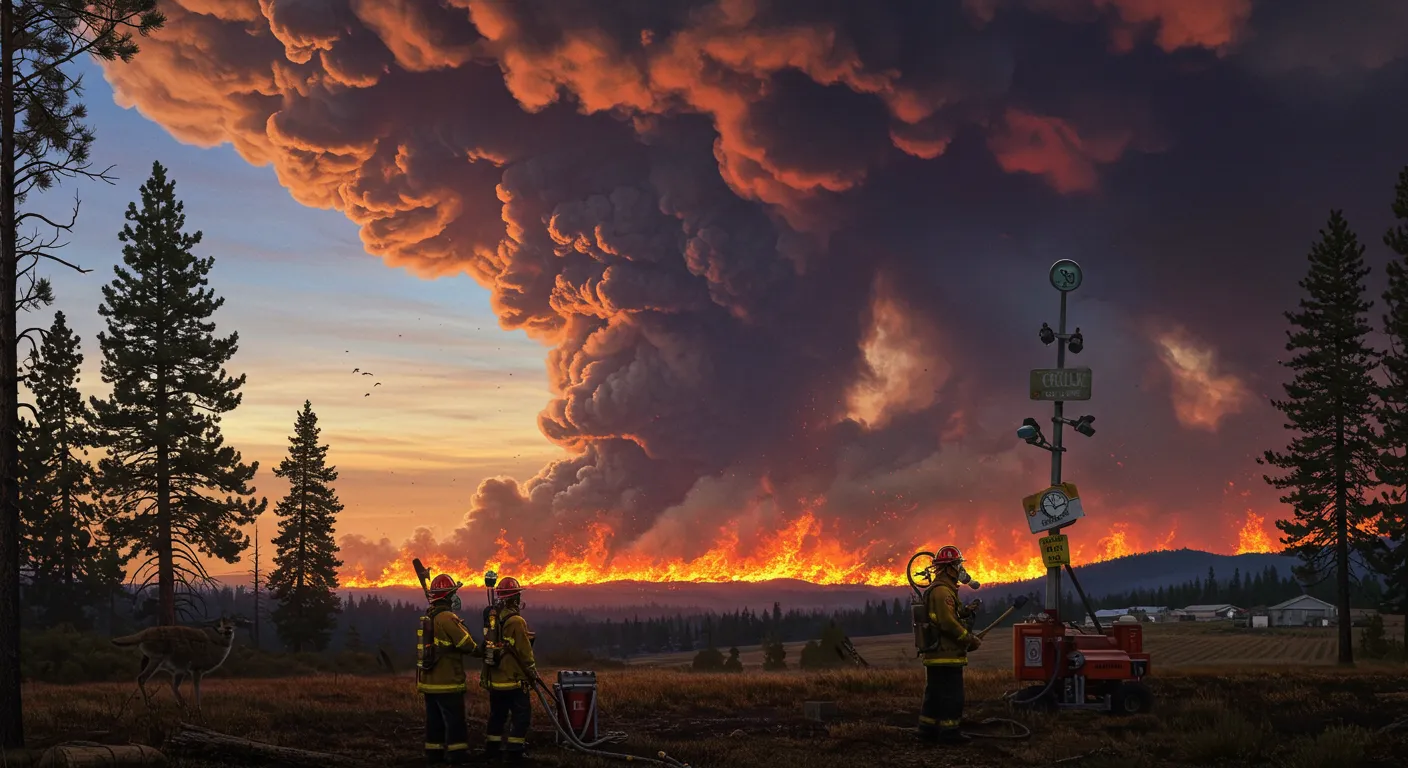
Every summer seems to bring a familiar, unsettling sight: city skylines blurring into smoky sunsets as wildfires rage in the distance. If you’ve ever watched the air outside turn hazy and wondered what you’re breathing, you’re not alone. Wildfire smoke is more than just an eyesore—it’s a serious health risk, especially when it seeps into your home. The fine particles in wildfire smoke, known as PM2.5, are tiny—about 2.5 microns or smaller—and can slip deep into your lungs. For many, this means coughing, throat irritation, and for those with asthma or other respiratory issues, a real threat of flare-ups.
With wildfire seasons growing longer and more intense, the demand for air quality improvement solutions has skyrocketed. Commercial air purifiers, especially those with HEPA filters, are often the first line of defense. But here’s the catch: when smoke emergencies hit, these devices sell out fast. That leaves many of us scrambling for alternatives, especially when the air outside is unsafe and opening a window isn’t an option.
This is where unconventional, yet surprisingly effective, solutions come into play. DIY air filters—think box fans paired with bedsheets or high-efficiency filters—are gaining traction among experts and homeowners alike. In fact, the EPA and other health organizations now acknowledge that homemade air cleaners can serve as a practical stopgap when store-bought units aren’t available.
Research shows that a well-constructed DIY air filter can dramatically reduce smoke concentrations indoors. For example, a 1×1 DIY air cleaner using a MERV-13 filter can cut particulate matter by up to 75%. Even more impressive, air quality inside a small room can shift from smoky to nearly clear in just 10 to 15 minutes with a proper setup. The effectiveness of these DIY solutions depends on several factors—room size, filter type, and how well the air is mixed throughout the space. Deploying multiple units or ensuring good airflow can make a big difference.
One standout example is The Cocoon, a prototype designed by Elliott Gall at Portland State University and featured by NPR’s “All Things Considered.” The Cocoon uses a standard box fan and a large piece of fabric (like a bedsheet or cotton batting) to create a “baghouse filter” system. In lab tests, this oddball-looking device matched the performance of commercial air purifiers, clearing a bedroom-sized space of smoke in minutes. As NPR’s Alejandra Borunda reported, the simplicity and accessibility of this design mean nearly anyone can build it at home, often with items already on hand.
The effectiveness of simple, homemade air filters surprised even seasoned air quality researchers.
Why does this matter? Because during wildfire season, when the air is thick and commercial solutions are out of reach, being able to build your own DIY air filter isn’t just a clever hack—it’s a lifeline. And as more people share their experiences and results, these unconventional solutions are becoming part of the mainstream conversation about air quality improvement and filter effectiveness.
- Wildfire smoke’s PM2.5 particles are especially harmful to lungs and overall wellness.
- DIY air cleaners offer a cost-effective, science-backed way to improve indoor air quality when you need it most.
- Effectiveness hinges on space size, filter type, and air mixing—so experiment and adjust as needed.
"The Cocoon" Chronicles: How I Stole an Engineer’s Idea (and Got Cleaner Air)
If you’ve ever watched wildfire smoke roll in and felt powerless, you’re not alone. But what if you could take control of your indoor air quality—without waiting for a commercial air purifier to arrive? That’s where the DIY Air Filter known as The Cocoon comes in. This homemade air purifier, designed by Portland State University’s Elliott Gall, is making waves among air quality experts and even earning praise from EPA scientists. And the best part? You can build it yourself in under 30 minutes using everyday materials.
Meet The Cocoon: A Homemade Air Purifier That Works
At first glance, The Cocoon looks a bit absurd—think of a giant, puffy, 8-foot-long sausage attached to a box fan. But don’t let its playful appearance fool you. The science behind this DIY air filter is solid. Gall’s design adapts the “baghouse filter” principle, a method used in industrial settings to trap harmful particles from the air. As fan airflow pushes air through the fabric, tiny smoke and dust particles get caught, leaving cleaner air behind.
What You’ll Need
- One standard box fan (the kind you find at any hardware store)
- A large, 72-inch-wide piece of fabric (cotton batting, a flat sheet, or linen all work)
- Duct tape
- Rubber bands or hair ties
- Scissors (if you need to cut the fabric down to size)
According to research and lab trials, using a 72-inch-wide sheet gives you the best fit and performance. Even if you don’t have cotton batting, a repurposed flat sheet works—just make sure it fits snugly around the fan for maximum effectiveness.
How to Build The Cocoon
- Fold your fabric in half lengthwise to create a long tube.
- Seal the long edge with duct tape, forming a tunnel.
- Use a rubber band or hair tie to close one end of the tube, like tying off a ponytail.
- Stretch the open end of the tube around the box fan and secure it with duct tape. Pro tip: Don’t tape over the fan controls—a lesson learned the hard way by NPR’s Alejandra Borunda.
- Turn on the fan. The tube will inflate, creating a playful tunnel that’s both functional and a little silly.
This simple assembly method is inspired by industrial air cleaners but adapted for home use. Studies indicate that baghouse filter designs like The Cocoon can deliver near-commercial performance in lab settings. In fact, during a demonstration, The Cocoon cleared smoke from a bedroom-sized space in just 10 to 15 minutes.
With a basic understanding of ‘baghouse’ filtration, anyone can build a surprisingly effective air cleaner at home.
For best results, run your homemade air purifier in smaller rooms—like a bedroom—especially when wildfire smoke is thick outside. Research shows that running DIY air cleaners in small spaces maximizes their effectiveness, making them a practical solution when commercial air cleaners are unavailable or too expensive.
So, if you’re ready to take charge of your indoor air, grab a fan, a sheet, and some tape. The Cocoon proves that cleaner air is within reach—even when wildfire season is at its worst.

The Science-y Stuff (That Actually Matters): Filter Effectiveness and Real-World Limits
When wildfire smoke rolls in, you want to know your DIY air filter is actually doing something. The truth is, not all homemade air cleaners are created equal. Filter effectiveness depends on a few key factors—some you can control, and some you need to keep an eye on regularly. Let’s break down what really matters when it comes to making your own air filter work for you.
Clean Air Delivery Rate (CADR): Why It’s Your North Star
The Clean Air Delivery Rate, or CADR, is a simple but powerful concept. It tells you how quickly your filter can clean the air in a given space. If your DIY unit is too small or weak for your room, you won’t see much improvement. Research shows that matching your filter’s CADR to your room size is crucial for real results. For a bedroom, a single box fan filter might be enough. In larger spaces, you may need more than one unit running at the same time for optimal aerosol reduction.
Filter Material and Seals: Don’t Skimp Here
DIY air cleaners work best when you use clean, high-quality fabric and make sure there’s a solid seal around the fan. In the NPR guide, the “Cocoon” model uses a 72-inch sheet or cotton batting, but whatever you use, it needs to fit snugly and not leave gaps. If air can sneak around the edges, you lose a lot of filtering power. Studies indicate that using MERV 11–13 filters (if you’re building a box fan filter with HVAC filters) will catch more smoke particles and improve overall filter effectiveness.
Filter Replacement: The Non-Negotiable Step
This is where many DIY setups fall short. Dirty filters lose almost all effectiveness. As the EPA bluntly puts it:
DIY air cleaners are almost completely ineffective with dirty filters, emphasizing the need for frequent filter replacement. — EPA
It’s tempting to let your filter run for days or weeks, but research and public health studies confirm that performance drops off fast as filters clog. Make it a habit to check your filter often—especially during heavy smoke events. If it looks dirty or airflow drops, swap it out. This is not optional if you want real filter effectiveness.
Boosting Aerosol Reduction: Multiple Units and Placement
Want to take things further? Using multiple DIY air cleaners (or multi-filter designs) can boost smoke and aerosol reduction even more. Lab tests show that a single DIY filter can cut particulate matter by up to 75% in a bedroom-sized space. Add a second unit, and you’ll see even better results, especially in larger or oddly shaped rooms. Placement matters too—put your filter where you spend the most time, and make sure airflow isn’t blocked by furniture or curtains.
Real-World Limits: Temporary Fix, Not a Forever Solution
It’s important to remember that while DIY air cleaners are a powerful tool in a pinch, the EPA and CDC recommend them only as a temporary fix. Commercial air purifiers remain the gold standard for ongoing use, thanks to their higher CADR and tested filter effectiveness. But in emergencies, or when store-bought options aren’t available, a well-built DIY unit—maintained with frequent filter replacement—can make a real difference in your indoor air quality.

Wild Card: Air Filtration & Oddball Analogies – Why This DIY Trick Feels Like ‘Home Plumbing for Your Lungs’
If you’ve ever faced wildfire smoke drifting into your home, you know how quickly indoor air quality can drop. But what if you could build your own air filtration unit, right now, with items you already have? That’s where The Cocoon comes in—a DIY air filter that’s not just a clever hack, but a real, cost-effective solution for aerosol reduction when you need it most.
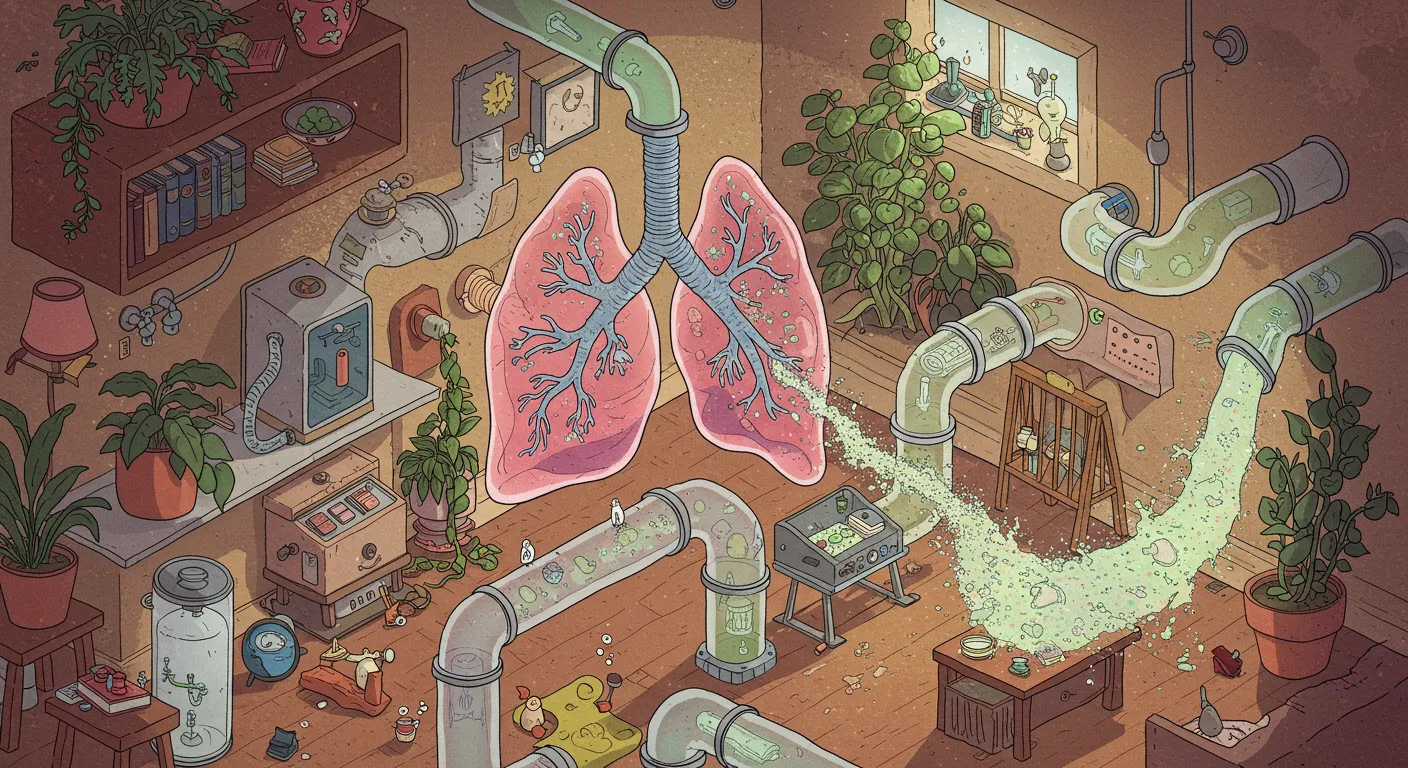
Think of The Cocoon as a temporary, breath-safe bubble you create in your own space. It’s a bit like plumbing for your lungs: air flows through your room like water through pipes, and this system filters out the grit before it ever reaches your “faucet”—your lungs. As one expert put it,
“It’s a bit like fixing a leaky pipe — except instead of water, you’re cleaning up the air you breathe.”
This analogy isn’t just for fun. The Cocoon uses a “baghouse filter” approach, a tried-and-true technology in industrial settings, now simplified for your living room. By wrapping a standard box fan in a tube of fabric—like a 72-inch cotton sheet—you create a filter that captures the fine particles in wildfire smoke. When you turn on the fan, the fabric inflates, forming a puffy tunnel that quietly works to improve your indoor air quality.
Research shows that DIY air filtration units like The Cocoon can achieve impressive aerosol reduction. In lab tests, The Cocoon cleared smoke from a bedroom-sized space in just 10 to 15 minutes, coming close to the performance of commercial air purifiers. That’s a powerful result, especially when commercial units are sold out or out of reach.
But the benefits of this DIY trick go beyond just cleaner air. There’s a social side, too. Sharing guides for homemade air cleaners has become the modern equivalent of lending a cup of sugar to your neighbor. When wildfire season hits, passing along these instructions or even helping someone build their own Cocoon can make you the unofficial hero of your block. This kind of mutual aid—neighbors helping neighbors—has become a crucial survival tactic in communities hit by fire-related air hazards.
Why does this matter? Because when you share simple, science-backed solutions, you’re not just protecting your own household. You’re amplifying the benefits across your community. Studies indicate that people naturally relate air filtration to other household fixes, making it easier for everyone to adopt and maintain these cost-effective solutions. The more these ideas spread, the more resilient your neighborhood becomes during emergencies.
So, whether you’re building The Cocoon for yourself or passing the idea along, you’re taking practical steps to improve indoor air quality and reduce exposure to harmful smoke. And who knows? You might just start a new neighborhood tradition—one where sharing a DIY air cleaner guide is as common as borrowing a tool or a cup of sugar.
Looking Forward: Wildfires, Resilience, and Why DIY Isn’t Just for Emergencies
If you’ve ever stared out your window during wildfire season and watched the sky turn a hazy orange, you know how quickly air quality can shift from safe to hazardous. In recent years, wildfires have become a recurring summer threat across many US regions, and the demand for air quality solutions has soared. But what happens when store shelves are empty, or supply chains falter? That’s where the humble DIY air filter steps in—not just as a backup, but as a symbol of resilience and community ingenuity.
Building your own air cleaner isn’t just about surviving a crisis. It’s about taking control when the world outside feels unpredictable. As highlighted in NPR’s 2025 guide, “How to build your own air filter for wildfire smoke,” the process is surprisingly straightforward. With a standard box fan, a large piece of fabric, duct tape, and a few rubber bands, you can assemble a DIY air filter in less than half an hour. This isn’t just a quick fix; it’s a practical response to the growing unpredictability of wildfire season and the supply disruptions that often follow.
Research shows that these homemade air cleaners, like the Cocoon model developed at Portland State University, can dramatically reduce smoke and particulate matter indoors. In fact, lab tests demonstrated that running a DIY air filter for just 10 to 15 minutes in a smoke-filled room left the air nearly clear. While these devices don’t replace professional air purifiers in the long run, they offer a critical bridge during emergencies—something the EPA now encourages when commercial options are unavailable.
There’s an unexpected satisfaction in building something with your own hands, especially if you don’t consider yourself “handy.” Maybe your first attempt will be a little rough around the edges—mine certainly was. But each wildfire season, you’ll find ways to tweak and improve your design. Maybe you’ll try a different fabric, or figure out a better way to seal the tube. That’s the beauty of DIY: it’s not just about the end product, but the process of learning, adapting, and sharing what works with your neighbors.
Disasters have a way of bringing people together, often around a roll of duct tape and a shared sense of purpose. When you build and share your own air quality solutions, you’re not just protecting your household—you’re contributing to a culture of community self-defense. As one advocate put it,
“With a box fan and a little determination, anyone can take control of their air — even when the world outside feels out of control.”
So, as wildfire risks rise and supply chains remain unpredictable, don’t wait for the next emergency to get started. Stay curious. Keep refining your DIY air filter, and share your improvements with others. This is science in action—accessible, empowering, and deeply practical. In a world where clean air can’t always be taken for granted, a simple DIY air cleaner might just be the most important tool you build this wildfire season.
