
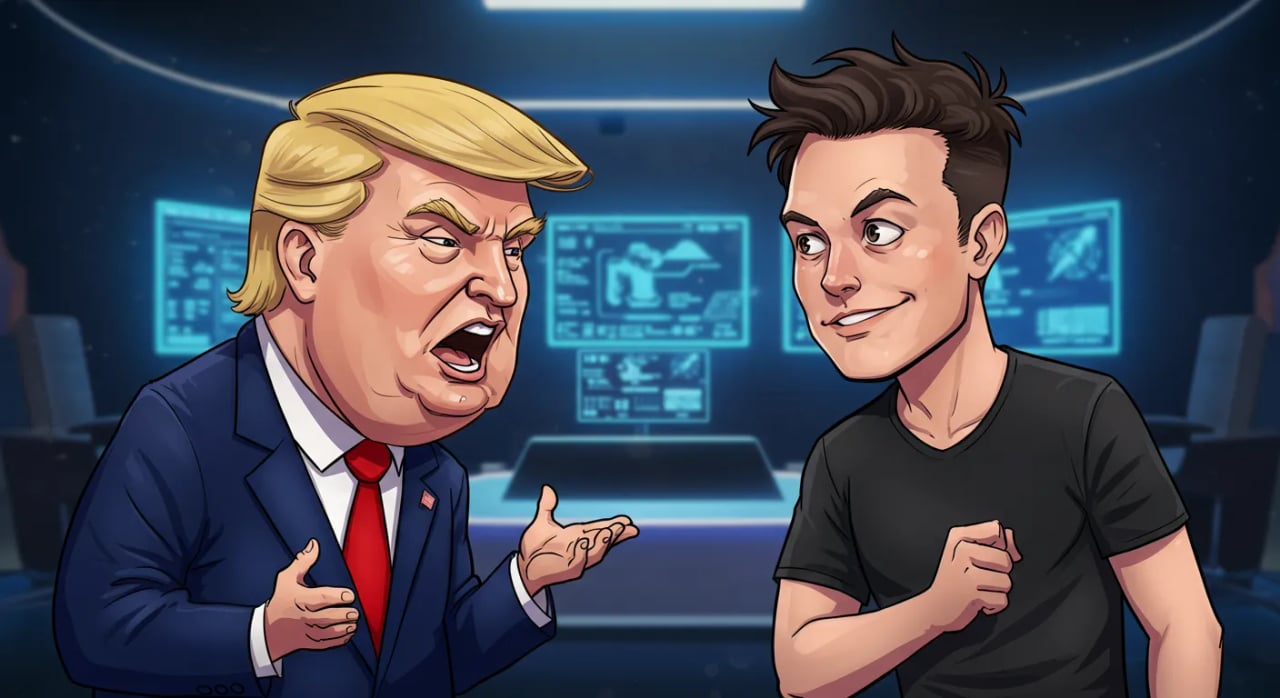


Picture this: you're scrolling through your feed, and up pops another headline about a Trump-Musk blowout. But for me, the real flashbulb moment came not with a tweet, but while chatting with an old friend who works at a D.C. think tank. She joked, 'Forget the policy—D.C. feels more like a celebrity reality show these days,' and suddenly, the Musk-Trump saga felt like American Idol meets House of Cards. Here's my take on why this feud is more than just internet fireworks (plus a few details cable news missed).
When Political Bromance Sours: The Anatomy of the Trump Musk Feud
You are witnessing the unraveling of a once-powerful alliance as the Trump Musk feud explodes into public view. The drama reached its peak on June 6, 2025, when President Donald Trump and Elon Musk, the outspoken Tesla CEO and SpaceX founder, clashed over a sweeping tax and spending bill. Musk’s viral criticism of what he called Trump’s “Big, Beautiful Bill” set the stage for a fierce exchange that quickly spilled onto social media and into the headlines.
The feud’s spark was more than just policy. After Musk’s comments, Trump took direct aim at Musk’s inner circle by reversing the high-profile NASA nomination of Jared Isaacman, a close Musk ally. This move struck at the heart of Musk’s ambitions, given how much SpaceX relies on government contracts and support from agencies like NASA. According to reporting from The New York Times, Musk was “deeply upset” by the withdrawal, and the relationship between the two men—once marked by mutual benefit—began to deteriorate rapidly.
Personal barbs soon followed. On his TRUTH Social platform, Trump declared that Musk had “lost his mind,” a statement that echoed across cable news and social feeds. The feud escalated further when Musk fired back at Trump’s allies, notably calling Steve Bannon a “criminal” after Bannon suggested the government should seize control of SpaceX and investigate Musk’s citizenship status. The tension was palpable, and the public watched as two of America’s most influential figures traded blows.
Amid the chaos, an odd scene unfolded at the White House. Despite the fallout, the Tesla that Trump had purchased in a gesture of goodwill remained parked on the White House lawn. Was it a symbol of lingering respect, or just an awkward reminder of a fractured partnership? The answer remains unclear, but the image captured the surreal nature of the feud.
The economic impact was immediate. Tesla stock plunged 14% in the aftermath, and Bloomberg reported that Musk’s net worth dropped by $34 billion almost overnight. The threat to cut off tax subsidies and government contracts to SpaceX and Tesla loomed large, with Trump hinting at such measures on social media. While no official action was taken, the suggestion alone sent shockwaves through Silicon Valley and Wall Street.
‘Musk had lost his mind.’ – President Donald Trump
As the dust settled, the Trump Musk feud left both business and political landscapes in flux, with the future of government contracts, tax subsidies, and Silicon Valley’s ties to Washington now under intense scrutiny.
Inside the Social Media Arena: Musk, Bannon & the Executive Order Threats
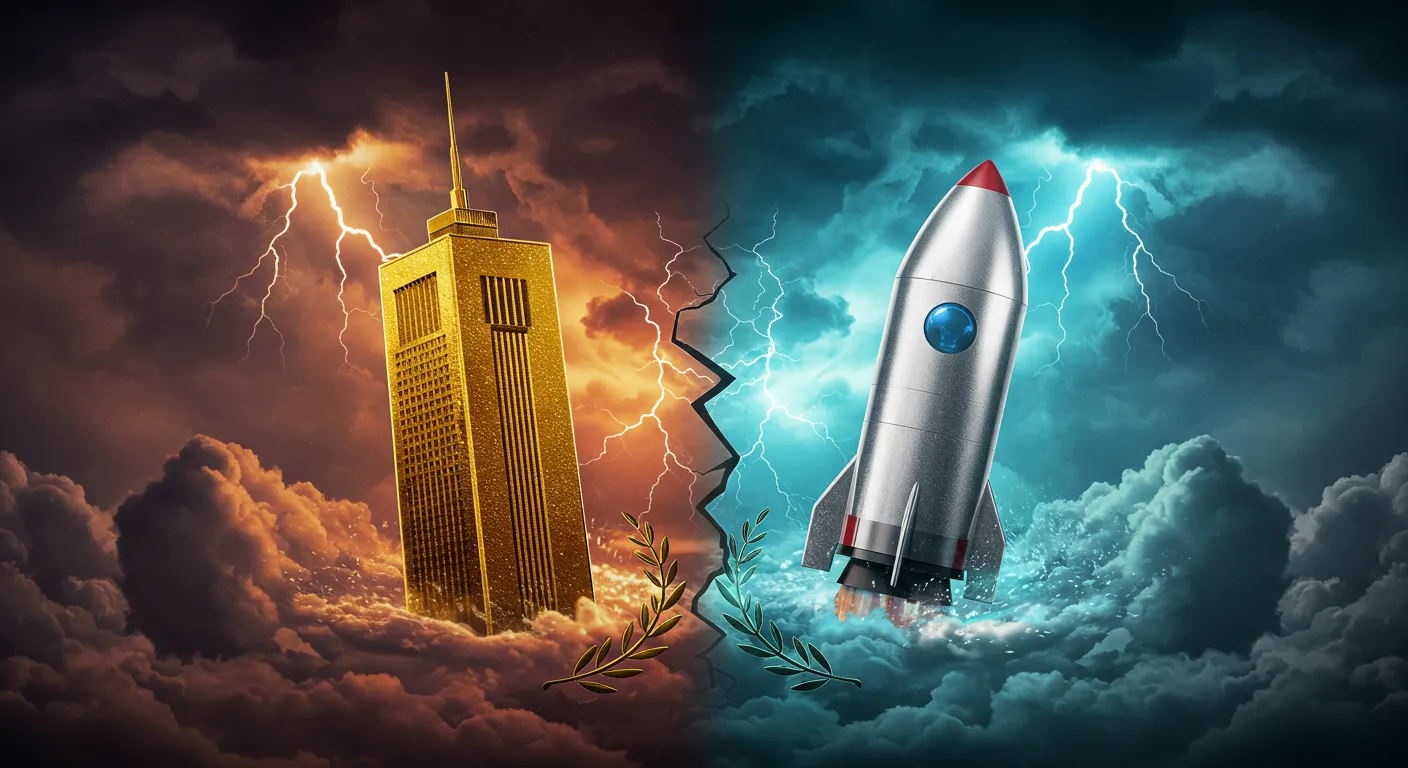
You are witnessing a political spectacle unfold in real time. On June 6, 2025, a social media exchange between Elon Musk and Steve Bannon exploded into public view, pushing the ongoing feud between Musk and President Trump into new, unpredictable territory. The drama began when Bannon, a key figure in the MAGA movement and former Trump advisor, publicly called for a federal investigation into Musk. He urged President Trump to use executive orders and the Defense Production Act to seize control of SpaceX, Musk’s flagship aerospace company.
Bannon’s comments didn’t stop there. He also questioned Musk’s U.S. citizenship, despite clear records showing Musk has been a naturalized citizen since 2002. This tactic—raising doubts about citizenship—has surfaced before in right-wing circles, often used to cast suspicion without evidence. Musk, never one to back down, fired back on social media, labeling Bannon a “criminal.” The spat quickly became a trending topic, with millions following the back-and-forth.
“There is nothing more dangerous to American energy than a billionaire with a grudge.” That’s how Bannon framed the threat he believes Musk poses, as quoted during the exchange. The statement highlights the deepening distrust between populist conservatives and wealthy tech leaders, a rift that now plays out in the open.
Research shows that Bannon’s push for a federal investigation zeroed in on two fronts: alleged drug use by Musk and the legitimacy of his immigration status. While there is no public evidence supporting these claims, the calls for scrutiny have fueled speculation about possible executive orders or federal crackdowns. The Defense Production Act, typically reserved for national emergencies, is now being floated as a tool for government intervention in private industry—an extraordinary suggestion that underscores the stakes.
After the heated social media exchange, both sides seemed to pause direct attacks. However, speculation about actual executive action continues to swirl. The White House, according to multiple reports, has not prioritized Bannon’s proposals, focusing instead on broader economic and legislative issues. Still, Bannon’s influence within the MAGA movement means his threats cannot be dismissed outright.
This episode reveals how quickly a personal feud can morph into a national debate over federal investigations, executive orders, and the use of the Defense Production Act. It also exposes the vulnerability of even the most powerful business leaders when political winds shift. As the story develops, you see the lines between business, politics, and personal rivalry blur—leaving the future of SpaceX, Tesla, and their government ties hanging in the balance.
Allies, Enemies, and Wandering Teslas: Shifting Symbols and Political Consequences
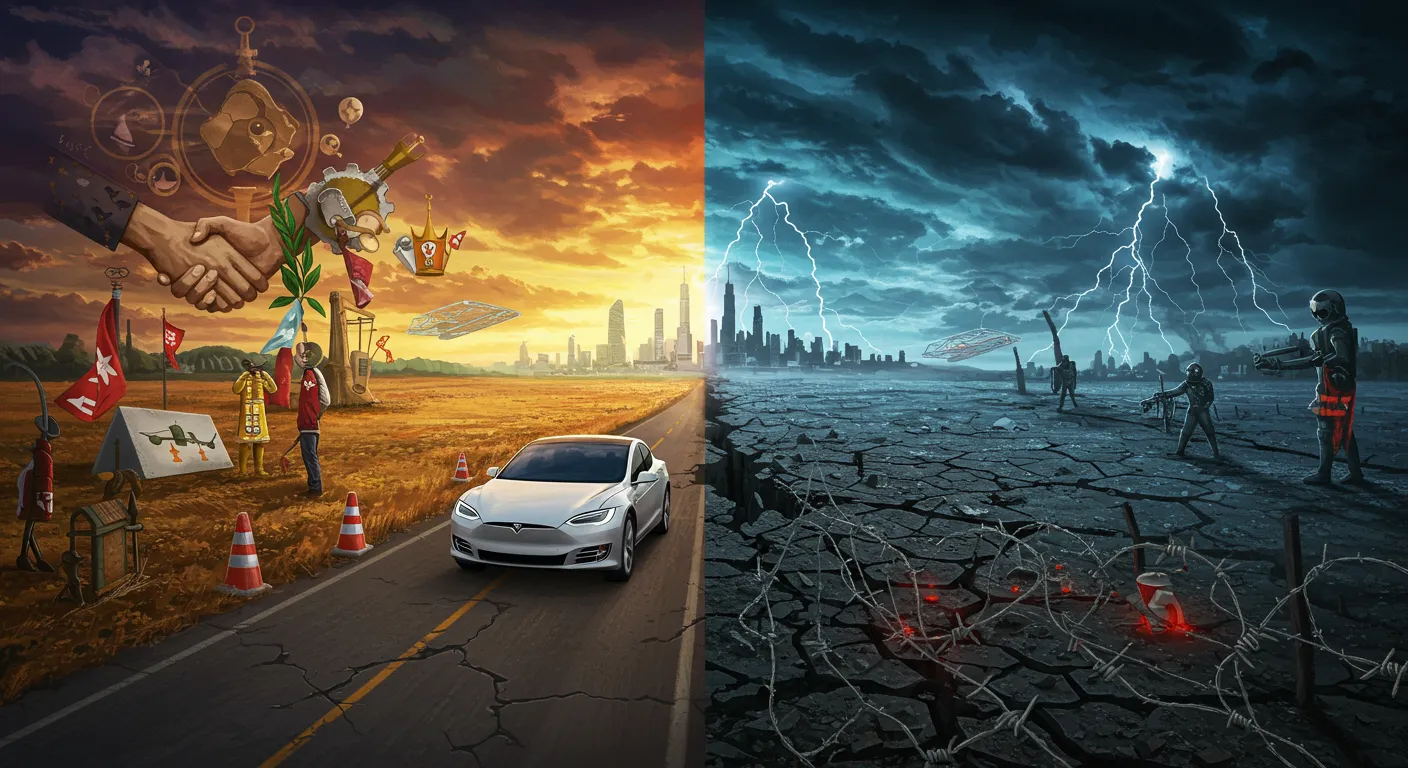
You’re witnessing a dramatic shift in the relationship between President Donald Trump and Tesla CEO Elon Musk, as their once-strong alliance fractures on the national stage. The latest twist? President Trump’s purchase of a Tesla for the White House in March 2025—a move some saw as a peace offering, others as a calculated jab. The Tesla, still parked on White House grounds, stands as a symbol of both goodwill and the awkward tension now defining their connection.
This public feud reached a boiling point on June 6, 2025, after disagreements over Trump’s sweeping tax and spending bill. Trump declared Musk had “lost his mind,” cutting off direct communication. Meanwhile, Musk fired back online, clashing with MAGA movement insiders like Steve Bannon. Bannon, a key pro-Trump ally, called for federal investigations into Musk’s citizenship and even floated the idea of seizing SpaceX using the Defense Production Act. Musk, for his part, labeled Bannon a “criminal” and hinted at supporting impeachment proceedings against Trump.
The fallout is not just personal—it’s political and financial. Musk had previously promised to donate $100 million to pro-Trump political groups, but as tensions rose, that funding stalled. Pro-Trump allies are left waiting, and the uncertainty signals cracks in the long-standing alliance between Silicon Valley’s tech titans and the Republican Party. As Tyler Pager of The New York Times put it:
‘Silicon Valley's money doesn’t buy you loyalty in the populist right anymore.’
Amid the chaos, Musk floated the idea of launching a new political party, the America Party, fueling speculation about a broader realignment. The concept quickly gained traction online, with some seeing it as a direct challenge to the traditional two-party system. The MAGA movement, meanwhile, is split—some insiders, including Bannon, are working to cast Musk as an outsider billionaire who doesn’t represent grassroots populism.
The economic consequences have been immediate. Tesla shares plunged 14 percent after the feud erupted, and Musk’s net worth reportedly dropped by $34 billion, according to Bloomberg. Trump, not one to shy away from escalation, suggested on TRUTH Social that the federal government should consider ending all contracts and subsidies to Musk’s companies, including Tesla and SpaceX. While no action has been taken yet, the threat underscores how deeply intertwined these business and political interests have become.
As impeachment talk and the America Party concept swirl through social and mainstream media, you see the boundaries between allies and enemies blur. The future of pro-Trump alliances, Silicon Valley influence, and the very structure of American political parties now hangs in the balance—driven by personalities, power, and a wandering Tesla on the White House lawn.
Behind the Curtain: Economic Shockwaves and the Hidden Cost of Feuding Giants
You are witnessing a collision of titans, and the financial consequences are rippling far beyond political headlines. When President Donald Trump and Elon Musk’s feud exploded into public view on June 6, 2025, the fallout was immediate and severe. Tesla stock plunged 14% in just days, and Bloomberg reported a staggering $34 billion drop in Musk’s personal net worth. The shockwaves didn’t stop there. Investors, employees, and contractors across the country felt the tremors—my own neighbor, a longtime Tesla shareholder, admitted he’s now reconsidering his retirement timeline.
At the heart of this drama lies the question of government contracts and subsidies. SpaceX and Tesla have long relied on billions in federal support, from NASA launches to electric vehicle tax credits. But now, those government contracts are under threat. President Trump, using his TRUTH Social platform, openly floated the idea of ending all federal deals and tax breaks for Musk’s companies. While no executive orders have been enacted as of June 6, the mere suggestion sent a chill through financial markets and boardrooms alike.
“The financial consequences of the feud, including potential impacts on Tesla stock and SpaceX contracts, are being closely watched.”
– Bloomberg
The risk isn’t just theoretical. Research shows that the public feud has already wiped billions from Tesla’s market value, and the uncertainty around SpaceX’s federal pipeline is causing anxiety among suppliers and staff. You see speculation mounting: What if the government actually pulls the plug? For companies like Tesla and SpaceX, losing access to government contracts could mean slashing research budgets, pausing hiring, or even delaying major projects. For investors, it’s a wake-up call about the fragility of these high-profile partnerships.
The stakes are enormous. SpaceX’s role in national defense and NASA’s future missions puts it at the center of U.S. technological ambitions. Tesla’s reliance on government incentives for electric vehicles is no less critical. As the feud escalates, you’re left watching for any sign of executive orders or new legislation that could reshape the landscape for Musk’s empire.
Meanwhile, the political undertones grow louder. Trump’s allies, including Steve Bannon, are pushing for aggressive action—everything from federal investigations into Musk’s citizenship to the use of the Defense Production Act against SpaceX. On the other side, Musk hints at supporting impeachment proceedings and even floats the idea of a new political party. The uncertainty is palpable, and the financial consequences are far from settled.
Wider Ripples: What the Trump Musk Feud Means for America’s Future (And Yours)
You’re watching a political spectacle unfold in real time—a Trump Musk feud that’s no longer just about personalities, but about the very direction of American power. The public perception of this relationship has shifted dramatically, as both sides use social media to air grievances and rally support. As Geoff Bennett of PBS NewsHour put it,
'The public perception of the Trump-Musk relationship has shifted dramatically, with both sides using social media to air grievances and rally support.'
This feud is more than a headline. It’s a sign that the Republican Party stands at a crossroads. Will it return to the Bannon-ite populism that first fueled the MAGA movement, or continue to court tech billionaires like Elon Musk for financial and cultural influence? The answer isn’t clear, but the stakes are high. Research shows that the MAGA movement’s response to Musk’s political influence is mixed, with some calling for investigations and others downplaying the rift. Meanwhile, speculation about a new political party—Musk’s so-called “America Party”—is growing. If Musk were to launch such a party, it could split the political right and reshape the landscape for years to come.
The Trump Musk feud also exposes how much of modern political influence now plays out on social media. Both Trump and Musk have weaponized their platforms—TRUTH Social and X—to sway loyalists, exhaust critics, and shape public perception. The result? Public trust is eroding, with many Americans left wondering who really controls the levers of power: elected leaders, or the billionaires who fund and influence them.
There are tangible consequences, too. After the fallout, Tesla shares plunged and Musk’s net worth took a $34 billion hit. Trump’s suggestion to end federal contracts and subsidies for Musk’s companies, while not yet acted upon, highlights just how deeply business interests and government policy are intertwined. The financial uncertainty only adds to the sense that the old alliances are breaking down.
Perhaps the most intriguing question is what comes next. If the Republican Party distances itself from billionaire influences and returns to its populist roots, will it lose access to the resources and innovation that figures like Musk bring? Or will a new America Party emerge, fracturing the right and forcing a realignment of American political power? For now, you’re left with a sense that the Trump Musk feud is more than a personal spat—it’s a collision course that could redefine the future of the GOP, the MAGA movement, and the broader American political party system. The story is still unfolding, and its ripples are only beginning to be felt.
