


It isn’t every day you hear a federal judge essentially drop the gavel on the president of the United States, but that’s exactly what happened this week over the Supplemental Nutrition Assistance Program . As someone who’s watched neighbors stand in the rain waiting for food pantry doors to open, I couldn’t shake the sense of urgency when Judge John J. McConnell Jr. called out the Trump administration for short-changing millions who depend on SNAP benefits. Hunger is rarely just a headline—it’s a gut punch for families from San Francisco to St. Louis. And now, against the surreal backdrop of a looming record-breaking government shutdown, a judge’s order has done what so many protests, calls, and social posts could not: demand the administration pay up, on deadline. Let’s take a look at how this story got so personal, so quickly, for millions of Americans—and what it reveals about our safety nets when Washington stands still.
Section 1: A Bench Press—When Judges Push Back Against Politics
When politics and public welfare collide, the courts can become unlikely heroes. This was made clear when Judge John J. McConnell Jr. issued a direct and forceful order to the Trump administration, demanding full funding for November SNAP benefits. As the government shutdown dragged on, millions of Americans faced uncertainty about their next meal, and the judge’s intervention highlighted the critical role of the judiciary in protecting basic needs when political brinksmanship puts them at risk.
Judge John J. McConnell Jr. Steps In Amid SNAP Crisis
The government shutdown had already stretched into its second week when confusion and anxiety began to mount among SNAP recipients. Many families found themselves forced to choose between paying rent and buying food. Food banks and pantries across the country, especially in high-cost regions like San Francisco, the East Bay, and the Peninsula, reported a surge in demand. The Trump administration’s initial response was to issue only a partial payment for November SNAP benefits, leaving millions of families in limbo.
Judge John J. McConnell Jr. responded with a clear directive: the administration must find the funds to fully cover Supplemental Nutrition Assistance Program (SNAP) benefits for November—no exceptions, no delays. This order required the government to make the full payments by Friday, a deadline that underscored the urgency of the situation.
Calling Out Defiance: The Court vs. The White House
During the proceedings, Judge McConnell did not hold back in his criticism of President Donald Trump. The president had publicly stated, “SNAP payments will be given only when the government opens,” directly contradicting a prior court order. Judge McConnell called out this statement as a clear intent to defy the court’s authority.
After these remarks, the White House claimed compliance with the court’s order, but Judge McConnell pointed out that only a partial payment had been made. He emphasized that the administration had access to additional emergency funds and was fully aware that partial payments would not suffice or arrive in time to meet the court’s instructions.
“Children are immediately at risk of going hungry. That should never happen in America.” — Judge John J. McConnell Jr.
The Stakes: 16 Million Children at Risk
Judge McConnell’s ruling was not just about legal procedure—it was about the real, immediate consequences for families across the country. He warned that without full SNAP funding for November, as many as 16 million children could face hunger. The judge’s words were a stark reminder of what is at stake when government services are used as bargaining chips during political standoffs.
The judge’s order reflected a fundamental principle of American democracy: the courts can and will step in when executive actions threaten the welfare of citizens, especially the most vulnerable. In this case, the court’s intervention was a lifeline for millions of families who depend on SNAP benefits to put food on the table.
SNAP Benefits: A Lifeline Under Threat
SNAP benefits, also known as CalFresh in California, are a critical support for low-income families. The government shutdown SNAP crisis exposed just how fragile this lifeline can be when political disputes escalate. Food banks in the Bay Area and beyond reported record demand, as families scrambled to fill the gap left by delayed or partial benefits.
Judge McConnell’s ruling forced the Trump administration to act, overriding the executive branch’s stance and ensuring that emergency welfare payments would not be held hostage. This move reinforced the importance of checks and balances in the U.S. system, especially when it comes to essential programs like SNAP.
Broader Impacts and Community Response
As the shutdown continued, local news highlighted the ripple effects: increased food insecurity, community leaders stepping up, and ongoing debates over government priorities. The story also unfolded against a backdrop of other significant events, such as Nancy Pelosi’s retirement announcement and changes in local leadership, showing how interconnected policy decisions are with daily life.
For those concerned about privacy while accessing information or support, platforms like Disney and Global Privacy Control (GPC) offer ways to manage your personal data and targeted advertising. You can take steps to secure your privacy by submitting opt-out forms or using platform toggles as needed.
The federal court, under Judge John J. McConnell Jr., made it clear: when the government’s actions threaten the well-being of millions, especially children, the judiciary will not stand by. The ruling on SNAP benefits for November 2025 is a powerful example of the courts pushing back against politics to protect the public good.

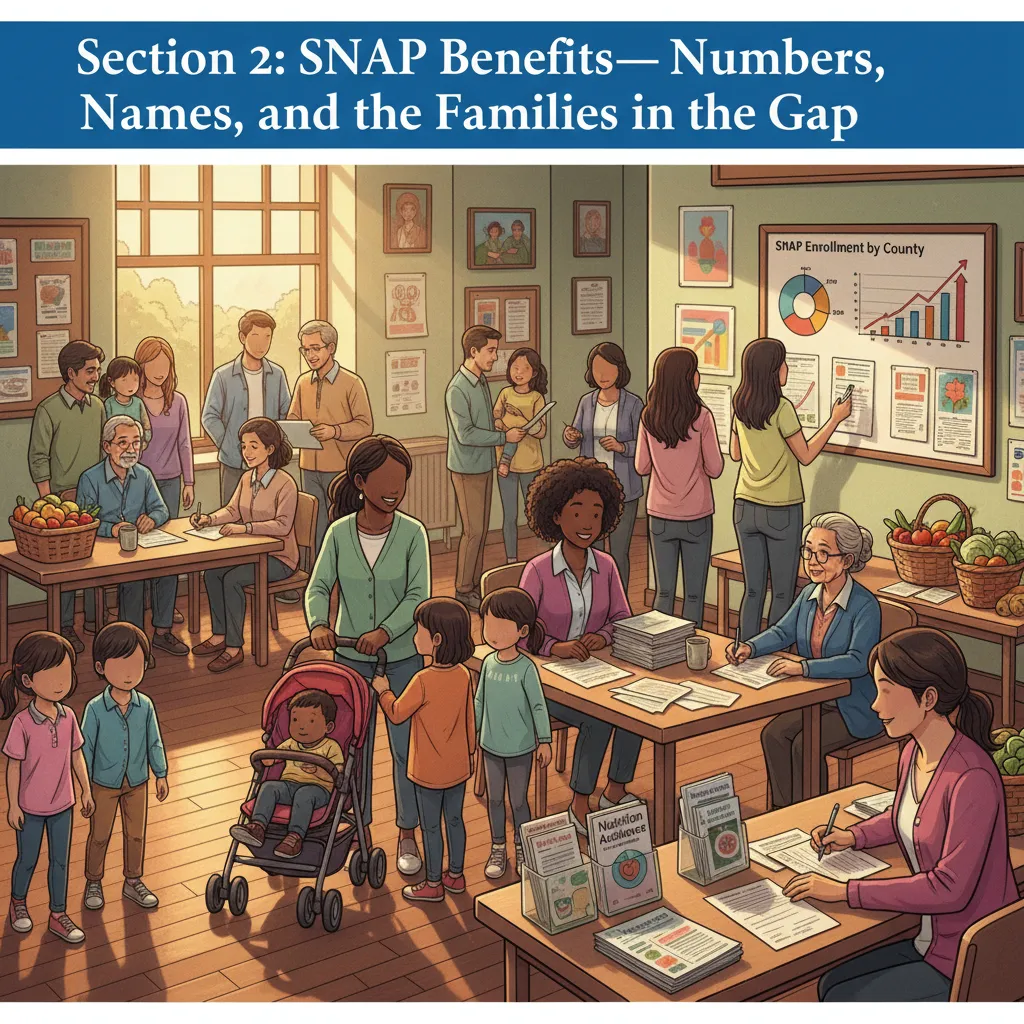
Section 2: SNAP Benefits—Numbers, Names, and the Families in the Gap
The Supplemental Nutrition Assistance Program, or SNAP benefits, is a lifeline for millions of Americans. In California, you might know it as CalFresh. But in November 2025, this essential support system faltered, leaving families across the country facing impossible choices. For many, the delay in SNAP benefits meant deciding between paying rent and putting food on the table. The reality is stark: when federal support stumbles, local food banks and pantries simply can’t fill the gap.
SNAP Benefits November 2025: The Numbers Behind the Crisis
Judge John J. McConnell Jr. made it clear in his ruling: “Children are immediately at risk of going hungry.” His words reflect the scale of the problem. According to the Food and Nutrition Service, if November SNAP benefits were not fully funded, up to 16 million children would be at risk of hunger overnight. This isn’t just a statistic—it’s a warning about the real-world impact of government shutdowns on vulnerable families.
The demand for food banks SNAP demand has surged. In regions like San Francisco, the East Bay, South Bay, Peninsula, and North Bay, food pantries are reporting record numbers of visitors. These aren’t just numbers on a spreadsheet—they’re families, neighbors, and children who depend on SNAP/EBT cards to buy groceries. When those benefits are delayed or reduced, the domino effect ripples through entire communities.
Firsthand Accounts: Families Waiting, Kids Going Hungry
Last Thursday, a mother at a local pantry in the Bay Area shared her story: “My kids ate crackers for lunch while I waited for my November allocation.” She isn’t alone. Across the country, parents are stretching every dollar, skipping meals, and turning to food banks for help. But food banks, already stretched thin, can’t replace the scale of federal support provided by SNAP benefits.
“Children are immediately at risk of going hungry. This should never happen in America.”
— Judge John J. McConnell Jr.
Food Banks and Pantries: The Front Line of the SNAP Crisis
The spike in food bank SNAP demand isn’t just a headline—it’s a daily reality. In November, local food banks in the Bay Area saw a sharp increase in families seeking help. According to staff at one San Francisco pantry, “We’re seeing double the usual number of families, and our shelves are emptying faster than we can restock.”
- San Francisco: Lines outside pantries grew longer as SNAP delays set in.
- East Bay: Volunteers reported running out of staple foods by midday.
- South Bay & Peninsula: Emergency food boxes became the only safety net for many.
- North Bay: Rural communities faced unique challenges, with fewer resources and greater distances to travel for help.
The Food and Nutrition Service was forced to revise its guidance mid-month, scrambling to address the funding shortfall. But for families in need, these bureaucratic fixes came too late. The surge in demand at food banks and pantries dwarfed normal levels, revealing just how fragile the safety net can be during a government shutdown.
SNAP Benefits: The Lifeline That Holds Communities Together
For low-income families, SNAP/EBT cards are the primary way to buy groceries. When those cards don’t work, the impact is immediate and severe. Local resources—food banks, pantries, and community groups—do their best, but they can’t match the reach or reliability of federal programs. The November 2025 funding turmoil proved that when SNAP benefits are threatened, the consequences are felt in every corner of the community.
As Judge McConnell warned, “Such situations should never happen in America.” Yet, as the government shutdown dragged on, millions found themselves in the gap—waiting, worrying, and wondering how they would feed their families tomorrow.
Section 3: High Stakes and Higher Tensions—Shutdowns, Safety Nets, and the Real Cost of Delay
When you hear about a federal shutdown, it might sound like a distant issue—just numbers on a news ticker or political drama in Washington. But the Federal Shutdown Impacts are anything but abstract. For millions of Americans, especially those relying on the Supplemental Nutrition Assistance Program (SNAP), the shutdown means facing gut-wrenching choices: Do you pay rent or buy groceries? How do you explain to your children that dinner might be skipped because of a political standoff?
This month, the stakes became painfully clear. Federal Judge John J. McConnell Jr. issued a direct order to the Trump administration, demanding that full SNAP benefits for November be funded and distributed by Friday. His ruling was a response to mounting distress among SNAP recipients—families forced to pick between food and shelter as their benefits lapsed. Food banks and pantries across the country, especially in high-cost areas like the Bay Area, reported a surge in demand. Lines grew longer, shelves emptied faster, and volunteers struggled to keep up. The Government shutdown SNAP crisis was no longer just a policy debate; it was a daily emergency for millions.
Judge McConnell did not mince words in his rebuke of President Donald Trump. During the proceedings, he referenced the president’s public statement:
“SNAP payments will be given only when the government opens,”and called it a clear intent to defy the court’s directive. The White House claimed it was in compliance with the court order, but as Judge McConnell pointed out, only a partial payment was made. He argued that the administration had access to additional emergency funds and knew that partial payments would not suffice—or arrive in time—to meet the court’s instructions.
The numbers are staggering. Without full SNAP funding for November, Judge McConnell warned, as many as 16 million children would be immediately at risk of hunger . He stressed, “children are immediately at risk of going hungry,” and reminded the nation that such a scenario “should never happen in America.” His words cut through the legal jargon, highlighting the real cost of delay: hungry children, anxious parents, and communities stretched to the breaking point.
While the Trump administration did partially restore federal funding for SNAP on November 4, 2025, the payments were not enough to cover the full needs of recipients or meet the court’s deadline. As the Government shutdown SNAP crisis dragged on, food banks in San Francisco, the East Bay, South Bay, Peninsula, and North Bay reported record demand. For many families, the shutdown wasn’t just a headline—it was a daily struggle for basic dignity.
Meanwhile, in local news, a 29-year-old former pet store owner was sworn in as Sunset supervisor in San Francisco—a quirky political surprise. But for most families, such headlines pale in comparison to the anxiety of a missed grocery day. Even major political shifts, like Nancy Pelosi’s announcement to retire after her term, seem distant when you’re worried about putting food on the table tonight.
In the midst of all this, you might notice digital privacy updates from companies like Disney, or new tools like Global Privacy Control (GPC) that let you manage how your data is used. These efforts to give you more control online stand in stark contrast to the lack of agency felt by families caught in the crosshairs of a Federal Shutdown Impacts . While you can submit opt-out forms or toggle privacy settings, families awaiting SNAP have no such levers to pull when politics gridlocks their lives.
Ultimately, Judge McConnell’s ruling is a stark reminder that the real cost of delay during a government shutdown is measured not in dollars, but in empty stomachs and anxious nights. The Trump administration SNAP standoff has exposed the fragile threads holding America’s safety net together. As the shutdown threatens to become the longest in U.S. history, the need for decisive action—and compassion—has never been clearer. For millions, the question isn’t about politics; it’s about survival. And that’s a reality no family should have to face.
